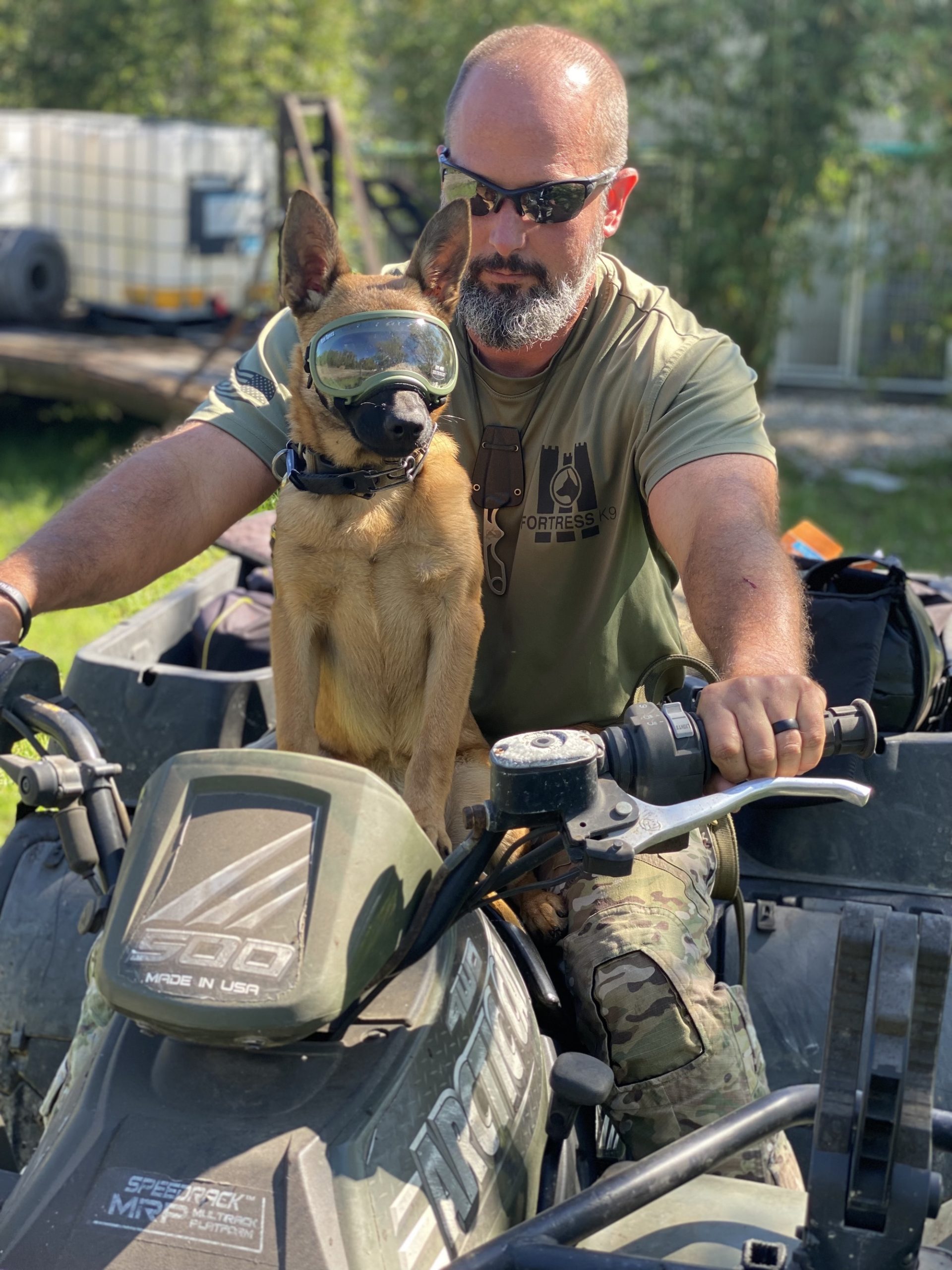
A family protection dog should make your home safer.
Not louder.
Not more chaotic.
Not more dangerous for your children, guests, or normal family life.
A real family protection dog must be able to live calmly inside your home and respond when a real threat appears. If the dog can bite but cannot live safely with your family, it is not the right dog. If the dog is friendly but cannot respond under pressure, it is not a protection dog.
That is the standard:
Safe in the home. Capable in the fight.
If you already know your family needs real protection, schedule a consultation with Fortress K9. If you are still deciding whether a protection dog is right for your family, start with the free Protection Dog Decision Guide.
Most Families Are Not Just Shopping for a Dog
Most families do not start looking for a family protection dog because they want another pet.
They start looking because something feels exposed.
Maybe there was a break-in nearby.
Maybe your spouse is home alone often.
Maybe your children are asleep upstairs and you have wondered what would happen if someone forced his way inside.
Maybe you already have cameras, alarms, locks, or firearms, but still know those tools may not be enough if violence is already at the door.
That is the real problem.
You are not just looking for a dog.
You are looking for more certainty.
A family protection dog is one possible answer, but only if the dog is trained, selected, and integrated correctly.
A Dog That Bites Is Not Automatically a Protection Dog
This is one of the biggest mistakes buyers make.
They see a dog bite a sleeve or attack a padded suit and assume they are looking at protection.
Not necessarily.
A dog that bites equipment is not automatically ready to protect your family. Real protection requires more than aggression.
A true family protection dog must be able to:
- Stay calm in normal family life.
- Remain safe around children.
- Obey under stress.
- Recognize the difference between normal people and a real threat.
- Respond when the threat is real.
- Stop when the threat is over.
The bite is not the point.
Control is the point.
A dog that cannot be controlled is not protection. It is risk.
A Protection Dog Must Be Safe With Your Family
Safety comes first.
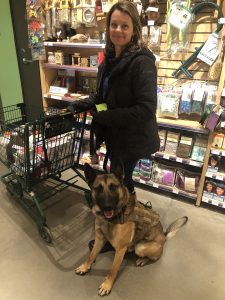
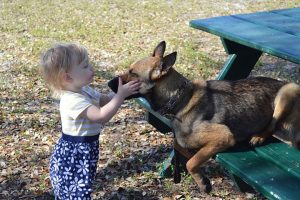
Your dog has to live in the same home as your children. That means the dog must be stable around movement, noise, guests, pets, daily routines, and normal family stress.
Children run.
Guests come through the door.
Delivery drivers show up.
Friends visit.
Family members move through the house at night.
Life is not a controlled training field.
A real family protection dog must be able to live in that environment without becoming a problem.
This does not mean children should be allowed to climb on the dog, harass the dog, or ignore rules. A serious dog still requires structure. But the dog must have the temperament and training to belong inside a family home.
The standard is simple:
If a dog is not safe around your children, it is not a protection dog.
A Protection Dog Must Be Capable When It Matters
Safety alone is not enough.
A dog can be friendly, obedient, and calm but still fail to protect your family when real pressure appears.
A family protection dog must be capable when the situation changes.
That means the dog should not only bark from a distance. It should be trained to move toward the threat, disrupt the attacker, create space, and give your family time to escape, prepare, or act.
That matters because real violence does not wait for a perfect moment.
A threat may happen:
- At your front door.
- In a hallway.
- Near your vehicle.
- While your children are asleep.
- While your spouse is alone.
- In low light.
- Around noise, movement, and confusion.
A real protection dog must be prepared for real life, not just a clean demonstration.
Real Protection Is Different From Sport Training
Some dogs are trained for sport.
Sport training can be impressive. The dogs may be athletic, obedient, and powerful. But sport work and family protection are not the same mission.
Sport training usually happens in a structured setting with known equipment, rules, patterns, and predictable routines.
Real threats do not follow routines.
A real attacker may not act like a training helper. He may not present the same target. He may fight back. He may use a weapon. He may move through furniture, doorways, vehicles, or tight spaces.
That is why a family protection dog must be trained for real-world protection.
The question is not, “Can the dog bite?”
The question is:
Can the dog protect your family in the kind of situation your family may actually face?
The Switch: Calm Until the Threat Is Real
A real family protection dog needs what Fortress K9 calls The Switch.
The Switch means the dog can be calm and stable in normal life, then turn on when a real threat requires action, then turn off when the threat is over.
Calm in the house.
Capable under pressure.
Controlled when the fight is done.
This matters because the event does not end the moment the dog engages.
Your children may wake up.
Police may arrive.
A neighbor may come over.
A family member may be scared and moving quickly.
You may need to call the dog off and regain control immediately.
A dog that can start but cannot stop is not safe enough for a family.
The Switch is what allows the same dog to sleep near your children and still respond if someone forces his way into your home.
Your Family Should Not Be Home Alone Without a Powerful Dog
A trained protection dog is not a piece of equipment.
It is a living security partner.
That means the family must know how to live with the dog, handle the dog, maintain obedience, manage guests, and preserve the dog’s clarity.
This is why Family Integration Training matters.
Your family needs to learn:
- How the dog fits into the home.
- How to handle the dog around children.
- How to manage visitors.
- How to give commands clearly.
- How to maintain obedience.
- How to avoid confusing the dog.
- How to preserve the dog’s training after it comes home.
The dog should not simply be dropped off at your house.
You should know how to live with, handle, and maintain the dog correctly.
That is part of what you are buying when you choose a premium trained protection dog: not just the dog, but the training, transfer, support, and long-term stability of the decision.
What to Look for in a Family Protection Dog
Before choosing a family protection dog, ask better questions.
Do not start with:
“Does the dog bite?”
Start with these:
Is the Dog Safe With Children?
This is first. If the dog cannot live safely around children, the dog is not right for family protection.
Is the Dog Stable in the Home?
The dog should be able to settle, obey, and remain calm during normal family life.
Is the Dog Trained for Real-World Protection?
The dog should be prepared for home environments, vehicles, pressure, movement, noise, and real threat behavior.
Can the Dog Turn Off?
The dog must be able to stop, release, recall, and return to control.
Is the Dog Matched to Your Family?
The right dog for one family may be wrong for another. Your children, home, lifestyle, dog experience, security concerns, and handling ability all matter.
What Support Comes After Purchase?
A serious protection dog company should provide training transfer, integration support, follow-up, and guidance after the dog goes home.
The Wrong Protection Dog Can Make Your Home Less Safe
The wrong dog does not create certainty.
It creates risk.
A poorly selected dog may be unsafe with children.
A poorly trained dog may fail under pressure.
A poorly matched dog may overwhelm the family.
A poorly controlled dog may become a liability around guests or normal people.
This is why price should not be the first filter.
The real question is not:
“What is the cheapest protection dog I can buy?”
The real question is:
What is the cost of choosing the wrong dog for my family?
With a family protection dog, the consequence of being wrong can be serious.
The Fortress K9 Standard
Fortress K9 trains family protection dogs for people who need more than cameras, alarms, locks, and good intentions.
A Fortress K9 dog is trained to be safe in the home and capable when it matters.
That means the dog must be:
- Stable around the family.
- Safe with children.
- Obedient under pressure.
- Clear around guests and normal people.
- Capable of real protection.
- Trained beyond routines.
- Able to turn off and return to control.
- Integrated into the family correctly.
A real family protection dog should not force you to choose between safety and capability.
You need both.
A Real Family Protection Dog Should Change How Your Family Lives
When the right dog is placed with the right family, it changes more than security.
It changes how your family sleeps.
It changes how your spouse feels when home alone.
It changes how you think about travel.
It changes what happens if someone comes through the door.
You are not just adding another dog to the house.
You are adding a trained protector that lives with your family, understands the home, and can respond when the situation requires it.
That is what a real family protection dog should be.
Safe in the home.
Capable in the fight.
Controlled when the threat is over.
Need Help Deciding Whether a Family Protection Dog Is Right for You?
A protection dog is not a pet purchase.
It is a serious security decision.
If you already know your family needs real protection, then scheduling a consultation with Fortress K9 is the right decision.
If you are still deciding whether a protection dog is right for your family, start with the free Protection Dog Decision Guide.
If you know your family needs a better security plan but you are not ready to buy a fully trained dog, then the Family Protection Plan is the right next step.
If you want a deeper understanding of real protection dog training, Beyond the Bite is the next step.
Speak directly with Fortress K9 about your family, your security concerns, and whether a trained protection dog is the right fit.
Get the free guide that helps you understand what to look for, what to avoid, and whether a protection dog makes sense for your family.
Read the book that explains the Fortress K9 philosophy and why real-world protection is different from sport-based bite work.
FAQ Section
What is a family protection dog?
A family protection dog is a trained dog selected and prepared to live safely with a family while being capable of responding to a real threat. The dog must be stable in normal life and capable under pressure.
Are family protection dogs safe with children?
They can be, but only if they are properly selected, trained, and integrated into the family. A dog that is not safe around children is not a protection dog.
Is a dog that bites automatically a protection dog?
No. Biting is not the same as protecting. A real protection dog must have obedience, control, judgment, stability, and the ability to stop when the threat is over.
What is the difference between a sport dog and a family protection dog?
A sport dog is trained for a structured activity. A family protection dog is trained to live safely with a family and respond to real-world threats in homes, vehicles, public places, and unpredictable environments.
What does “The Switch” mean?
The Switch means the dog can remain calm in normal life, respond with controlled aggression when a real threat appears, and return to stability when the threat is over.
How do I know if a protection dog is right for my family?
Start by looking at your security concerns, family structure, home environment, dog experience, and whether you are ready to maintain a trained dog. The free Protection Dog Decision Guide is built to help you think through that decision before you make a costly mistake.