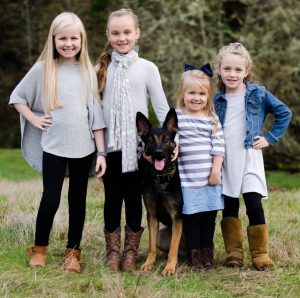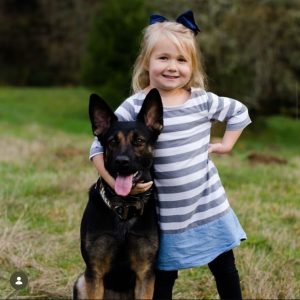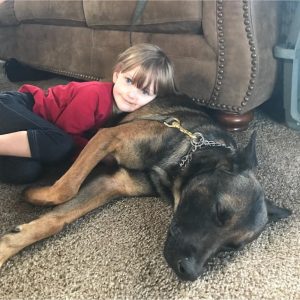
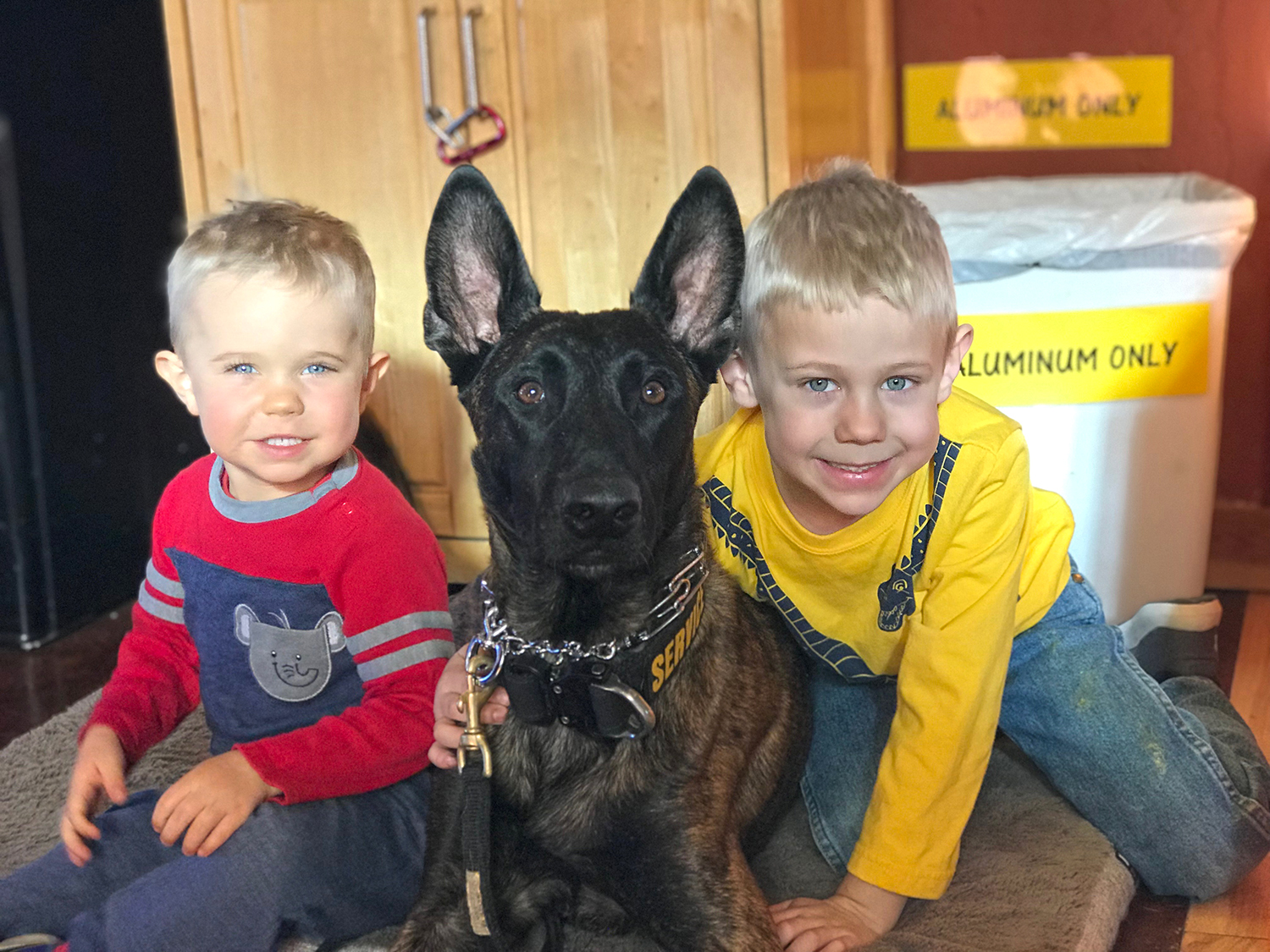
A family protection dog can be safe with children.
But that does not mean every dog sold as a protection dog belongs in a home with children.
That distinction matters.
A real family protection dog must be able to live calmly with your family and still respond when a real threat appears. If the dog is powerful but unstable, it can create risk inside the home. If the dog is friendly but cannot protect under pressure, it does not solve the security problem.
The standard is simple:
If a dog is not safe around your children, it is not a protection dog.
If you already know your family needs real protection, schedule a consultation with Fortress K9. If you are still deciding whether a protection dog is right for your family, start with the free Protection Dog Decision Guide.
The Real Question Is Not Just “Will the Dog Protect Us?”
Most families start with the obvious question:
Will this dog protect my family?
That matters.
But it is not the first question.
The first question is:
Can this dog safely live with my family?
A family protection dog has to live around children, guests, noise, movement, pets, visitors, and everyday household life. It may sleep near your children. It may ride in the vehicle with your family. It may walk through public places. It may be present when friends, relatives, or contractors come to the home.
That means the dog cannot simply be powerful.
The dog must be stable.
A true family protection dog must be both:
Safe in the home.
Capable when it matters.
One without the other is not enough.
Children Change the Standard
Children are not adults.
They move quickly.
They make noise.
They drop things.
They run through rooms.
They get excited.
They may not always understand boundaries.
They may hug, crowd, or surprise a dog if they are not taught correctly.
That does not mean a protection dog cannot live with children.
It means the dog must be selected and trained for that reality.
A dog that is easily startled, unstable, overly suspicious, poorly socialized, or difficult to control does not belong in a family protection role.
The right dog must have the temperament to live in a home where normal family life is happening every day.
This does not remove the parents’ responsibility. Children still need rules. A serious dog should not be treated like a toy. But the dog must be stable enough to live safely in a real household.
A Dangerous Dog Is Not a Protection Dog
Some people confuse danger with protection.
They think a dog that scares everyone must be a better security dog.
That is wrong.
A dog that is unsafe with normal people is not better protection. It is a liability.
A family protection dog should not be looking for a reason to bite. It should not be constantly agitated. It should not make you nervous when your children walk through the room.
A real protection dog must understand the difference between normal life and a real threat.
Normal life includes:
- Children playing.
- Guests visiting.
- Family members moving through the home.
- Friends coming inside.
- Delivery drivers outside.
- Contractors working on the property.
- Public environments.
- Other pets, when properly introduced and managed.
A threat is different.
A threat is someone forcing entry, attacking, or creating a real danger to the family.
The dog must be clear enough to know the difference.
That clarity comes from breeding, selection, training, and proper family integration.
The Dog Must Be Calm Before It Is Capable
Many buyers focus on the bite.
They ask how hard the dog bites, how intense the dog is, or how impressive the protection work looks.
Those questions are not useless, but they are not first.
For a family, the first standard is calm stability.
Can the dog settle in the house?
Can the dog be around children without becoming reactive?
Can the dog handle normal movement?
Can the dog obey when excited?
Can the dog remain clear around guests?
Can the dog turn off after being activated?
A dog that cannot settle is hard to live with.
A dog that cannot be controlled is unsafe.
A dog that cannot turn off is not family-ready.
The goal is not a dog that lives in aggression.
The goal is a dog that lives in control.
The Switch: What Makes a Protection Dog Livable
At Fortress K9, we use the concept of The Switch.
The Switch means the dog can be calm and stable in normal life, then turn on when a real threat requires action, then turn off and return to control when the threat is over.
That matters in a home with children.
A real emergency does not end cleanly.
Your children may wake up.
Your spouse may move toward the dog.
Police may arrive.
A neighbor may come over.
Someone may be scared, crying, or moving quickly.
The dog must be able to return to control.
A dog that can engage but cannot stop is not safe enough for a family.
The Switch is what allows the same dog to sleep near your children and still respond if someone forces his way through the door.
A Family Protection Dog Must Be Trained for Real Life
A family protection dog is not just trained to perform.
It must be trained to live.
There is a major difference between a dog that looks impressive in a controlled demonstration and a dog that is ready to function inside a family home.
A real family protection dog should be prepared for:
- Home environments.
- Vehicles.
- Children nearby.
- Noise and movement.
- Guests and visitors.
- Public settings.
- Real pressure.
- Unpredictable threat behavior.
- Handler commands under stress.
This is why training matters.
A dog that only knows one routine may look good in a video but fail when the situation changes.
A family protection dog must be trained for the kind of places and problems families actually face.
Your Children Need Rules Too
A good dog is not a substitute for good structure.
Children must be taught how to live around a serious dog.
They should understand:
- Do not climb on the dog.
- Do not hit, tease, or harass the dog.
- Do not take food or toys from the dog without instruction.
- Do not give commands unless taught to do so.
- Do not roughhouse in a way that confuses the dog.
- Respect the dog’s space.
- Listen to the adults.
This is not because the dog is unsafe.
This is because responsible ownership requires structure.
A family protection dog can be loving, calm, and stable. But it is still a serious dog with a serious job.
The family must treat that responsibility correctly.
Family Integration Training Matters
You should not be sent home alone with a powerful dog and no clear instruction.
A trained protection dog is not a device you plug into the house.
It is a living security partner.
Your family needs to know how to live with the dog, handle the dog, maintain obedience, manage guests, and avoid creating confusion.
That is why Family Integration Training matters.
Your family should learn:
- How to bring the dog into the home.
- How to manage the dog around children.
- How to introduce normal guests.
- How to maintain household structure.
- How to use commands correctly.
- How to avoid weakening obedience.
- How to preserve the dog’s calm behavior.
- How to understand the dog’s role in the family security plan.
The right dog matters.
The right training matters.
The right transfer to the family matters.
You are not just buying a dog. You are building a working relationship between the dog and the people it is there to protect.
The Wrong Dog Can Make Your Home Less Safe
A protection dog should reduce risk, not add to it.
The wrong dog can create serious problems.
A poorly bred dog may have weak nerves.
A poorly trained dog may become reactive.
A poorly matched dog may overwhelm the family.
A poorly controlled dog may become unsafe around guests.
A dog trained for the wrong purpose may fail when real pressure appears.
This is why families should not shop only by breed, appearance, price, or flashy videos.
A family protection dog must be selected for the family.
The dog must fit the home, the children, the lifestyle, the handler, the security concerns, and the level of structure the family can maintain.
The cheapest option is not usually the safest option.
The real question is:
What is the cost of choosing the wrong dog?
What Parents Should Ask Before Buying
Before buying a family protection dog, ask direct questions.
Is This Dog Safe Around Children?
Do not accept vague answers.
You need to know whether the dog has the temperament, training, and stability to live around children.
Can This Dog Live Calmly in the Home?
A family dog must be able to settle. Constant intensity creates problems.
Has This Dog Been Trained for Real-World Protection?
The dog should be prepared for home environments, vehicles, movement, pressure, and unpredictable situations.
Can This Dog Be Controlled Under Stress?
Obedience matters most when things are loud, fast, and uncertain.
Can This Dog Turn Off?
The dog must be able to stop and return to stability after activation.
Is This Dog Matched to My Family?
A strong dog in the wrong home is not a good placement.
What Training Does My Family Receive?
You should not be left to figure out the dog alone.
What Support Comes After the Dog Comes Home?
A serious protection dog company should support the family after placement.
Fortress K9’s Standard for Families
Fortress K9 trains protection dogs for families who need more than cameras, alarms, locks, and good intentions.
But the dog must be right.
A Fortress K9 family protection dog should be:
- Safe around children.
- Stable in the home.
- Calm in normal life.
- Obedient under pressure.
- Clear around guests and normal people.
- Capable when a real threat appears.
- Able to turn off when the threat is over.
- Integrated into the family correctly.
That is the standard.
Not just a dog that bites.
A dog that protects.
A Safe Protection Dog Changes How Your Family Lives
The right family protection dog should not make your home feel tense.
It should give your family more confidence.
You sleep knowing there is a trained protector inside the home.
Your spouse has a living layer of security when you are away.
Your children live with a dog that is calm in normal life.
Your family has more time and more options if a real threat appears.
That is what a family protection dog should provide.
Not chaos.
Not fear.
Not uncontrolled aggression.
A real family protection dog should be safe with your children and capable when your family needs protection.
Safe in the home.
Capable when it matters.
Need Help Deciding Whether a Family Protection Dog Is Right for Your Children?
A protection dog is a serious decision for any family.
It should not be rushed.
If you already know your family needs real protection, then scheduling a consultation with Fortress K9 is the right decision.
If you are still deciding whether a protection dog is right for your family, start with the free Protection Dog Decision Guide.
If you know your family needs a better security plan but you are not ready to buy a fully trained dog, then the Family Protection Plan is the right next step.
If you want a deeper understanding of real protection dog training, Beyond the Bite is the next step.
FAQ Section
Can a family protection dog be safe with children?
Yes, but only if the dog is properly selected, trained, matched, and integrated into the family. The dog must be stable in the home and clear around normal family activity.
What makes a protection dog unsafe for children?
A dog may be unsafe if it has weak nerves, poor training, poor control, excessive reactivity, poor socialization, or no ability to settle in the home.
Should children be allowed to play with a protection dog?
Children can have a healthy relationship with a properly trained family protection dog, but they still need rules. They should not climb on, tease, hit, harass, or confuse the dog.
Is a dog that bites safe for a family?
Not automatically. A dog that bites is not necessarily a family protection dog. The dog must also have obedience, stability, control, and the ability to turn off.
What is The Switch in a family protection dog?
The Switch means the dog can remain calm in normal life, respond when a real threat appears, and return to control when the threat is over.
What should I ask before buying a protection dog for my family?
Ask whether the dog is safe with children, stable in the home, trained for real-world protection, controllable under stress, matched to your family, and supported with proper family integration training.