How to Know If a Trained Protection Dog Is Right for You
Before you invest in a trained protection dog, understand what type of dog fits your life, what risks to avoid, and which breeding, training, handling, and protection philosophy you are willing to trust.
You are not simply deciding whether to buy a dog.
You are deciding whether a trained protection dog is the right security decision for you, the people you care about, your home, your travel, and your daily life.
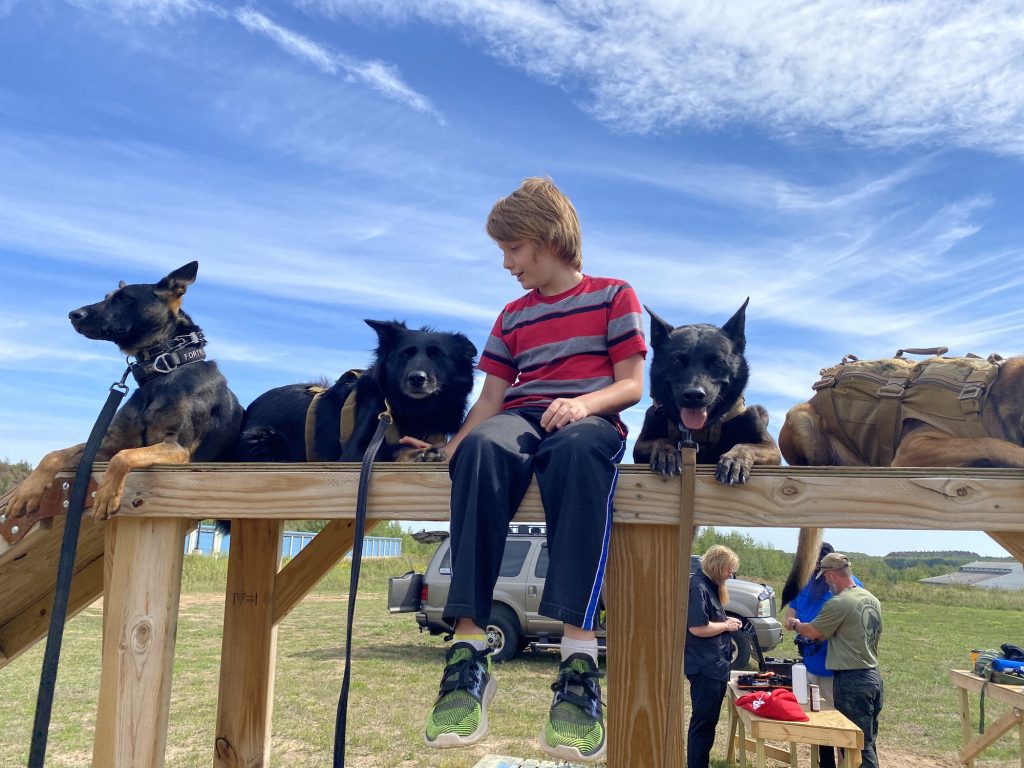
The right dog becomes a trusted family member and a 24/7 security detail—calm and stable in normal life, but capable of fighting to stop a real threat.
The wrong dog can create stress, liability, confusion, and risk in the very environment you are trying to protect.
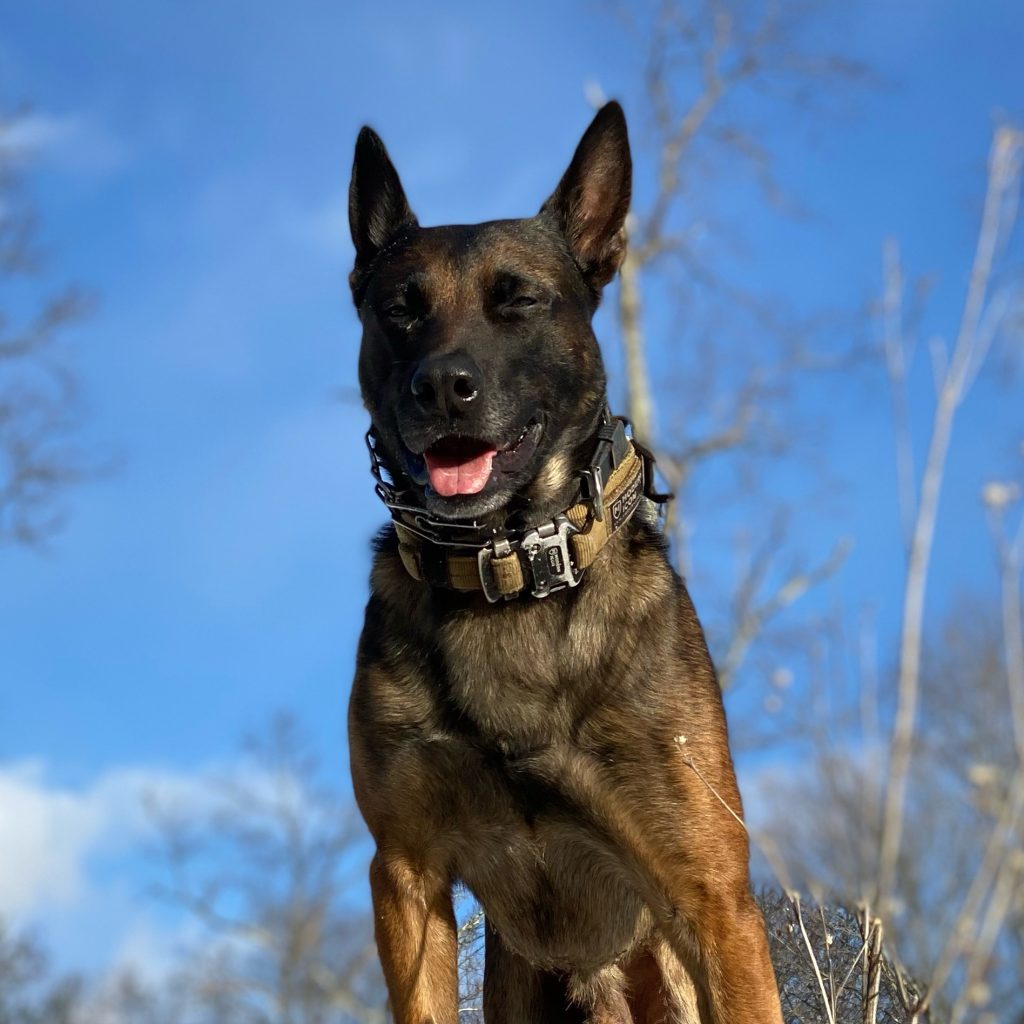
Protection-dog companies do not all produce the same result. Breeding lines, training methods, handling standards, integration, and post-sale support all affect the dog you ultimately bring home.
Fortress K9 does not expect every prospect to agree with our approach. Use this Guide and the printable tools below to evaluate your needs, compare companies, and determine which path gives you the greatest confidence.
If Fortress K9 appears to be the right fit, schedule a consultation. Joel will begin with a personal text—not an automated message—and answer your initial questions before determining whether a phone conversation would be useful.
Start with the printable tools below, or read through the full Guide and return to them as you go.
Both PDFs open in a printable format. Work through them on your own or with the other people involved in the decision before moving forward.
Understand the Investment, Timeline, and Available Paths
The Investment
A true protection dog takes years to select, develop, train, and test for both daily stability and real-world capability.
Fortress K9’s current investment levels are:
- Trained Companion Dog: starting at $20,000
- Core Protection Dog: $40,000
- Family Protection Dog: $65,000
- Elite Protection Dog: $100,000
A company offering a supposedly comparable protection dog for substantially less should be able to explain exactly what training, testing, integration, and support are included. A lower price may reflect a lower level of preparation rather than the same result for less money.
Availability and Timing
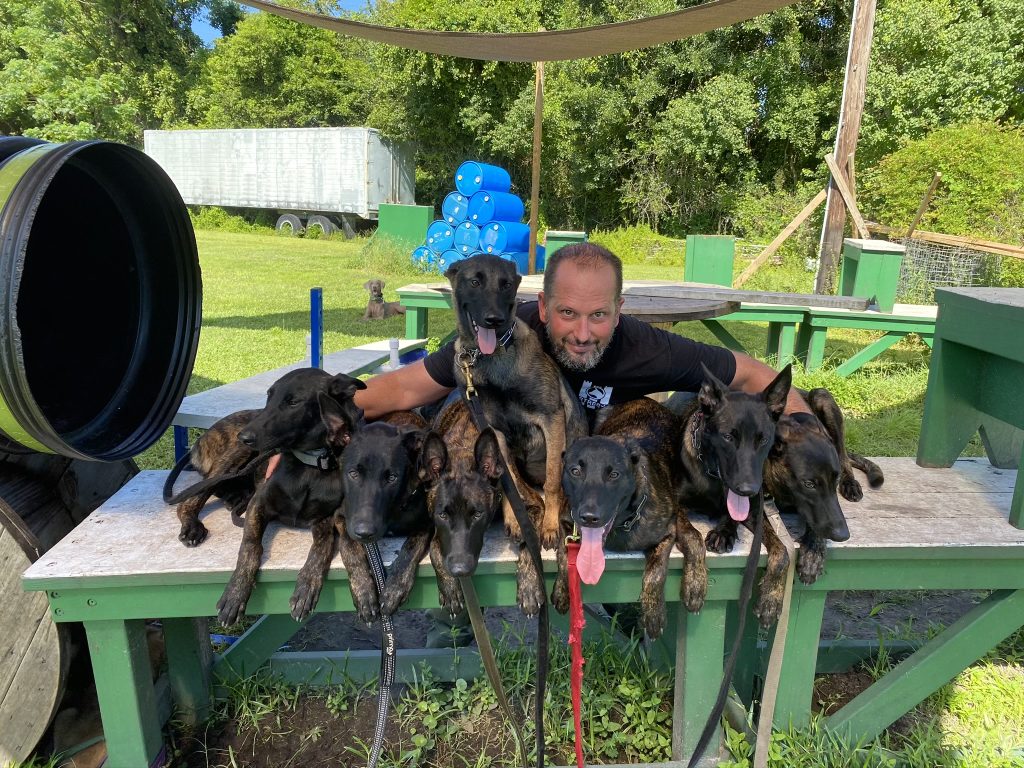
Fortress K9 always has dogs at different stages of development and training, but the dog that best fits your lifestyle, personality, household, and security needs is worth waiting for.
A longer payment timeline may mean waiting longer for delivery, but it can also allow us to begin selecting and customizing the dog for you earlier in its training.
We work with each client to identify the right dog, complete the appropriate training, and prepare that dog for the life it will live with you.
Lower-Cost Paths
Lower-cost paths also exist, including a properly selected puppy, an obedience-trained companion, or developing greater handling and training capability over time.
These options require more personal time and work but may be appropriate for some buyers.
Ask About the Path That Fits
You may still schedule a consultation if your goal is to explore a lower-cost path or plan for a future purchase. State that clearly on the form.
Joel will begin with a personal text, answer initial questions, and help you focus on options that fit your budget and timeline.
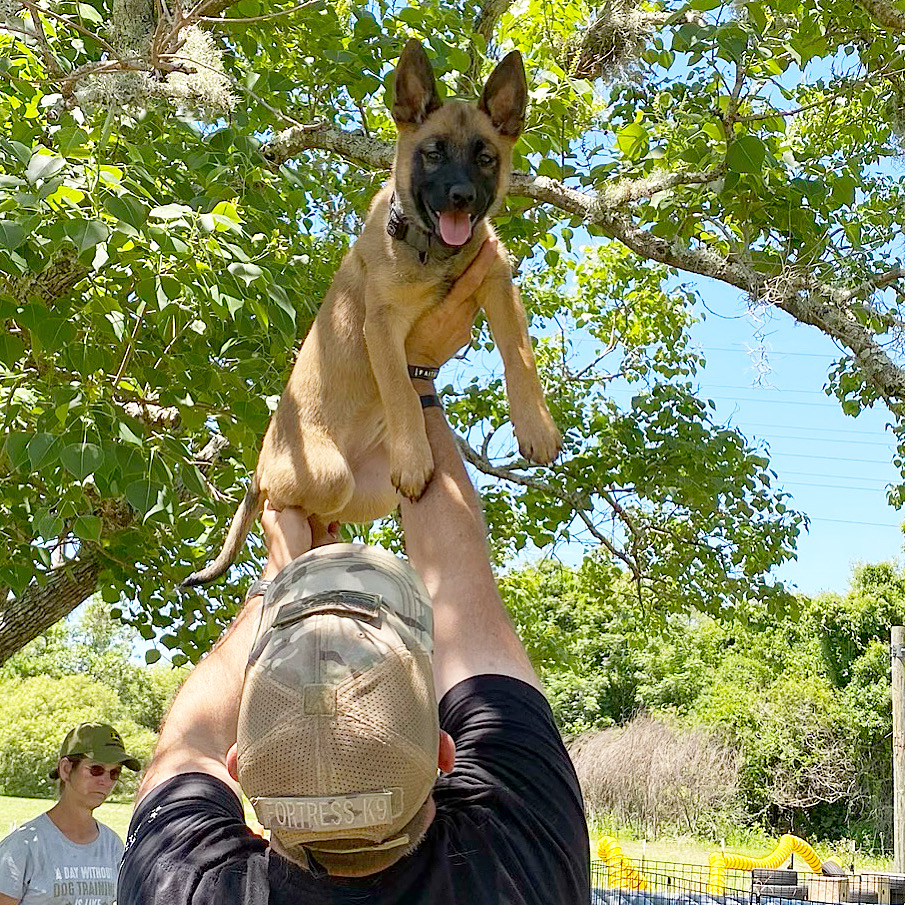
The Wrong Decision Can Create More Risk Than Protection
A protection dog must fit your life, your security needs, and the way you expect the dog to be bred, trained, and handled.
Impressive Is Not the Same as Right
A dog can look powerful in a video, bite hard, or perform advanced obedience and still be the wrong dog for you.
A demonstration does not show whether the dog can live safely in your daily life, think clearly under pressure, or respond in the way you expect when a real threat appears.
The Wrong Fit
The wrong breeding line, temperament, training method, handling standard, or protection philosophy can leave you with a dog that is difficult to live with, unreliable under pressure, or inconsistent with what you expected to purchase.
The dog and the company behind it both have to fit.
The Right Dog
The right protection dog is selected, raised, trained, and matched for your actual life and security concerns.
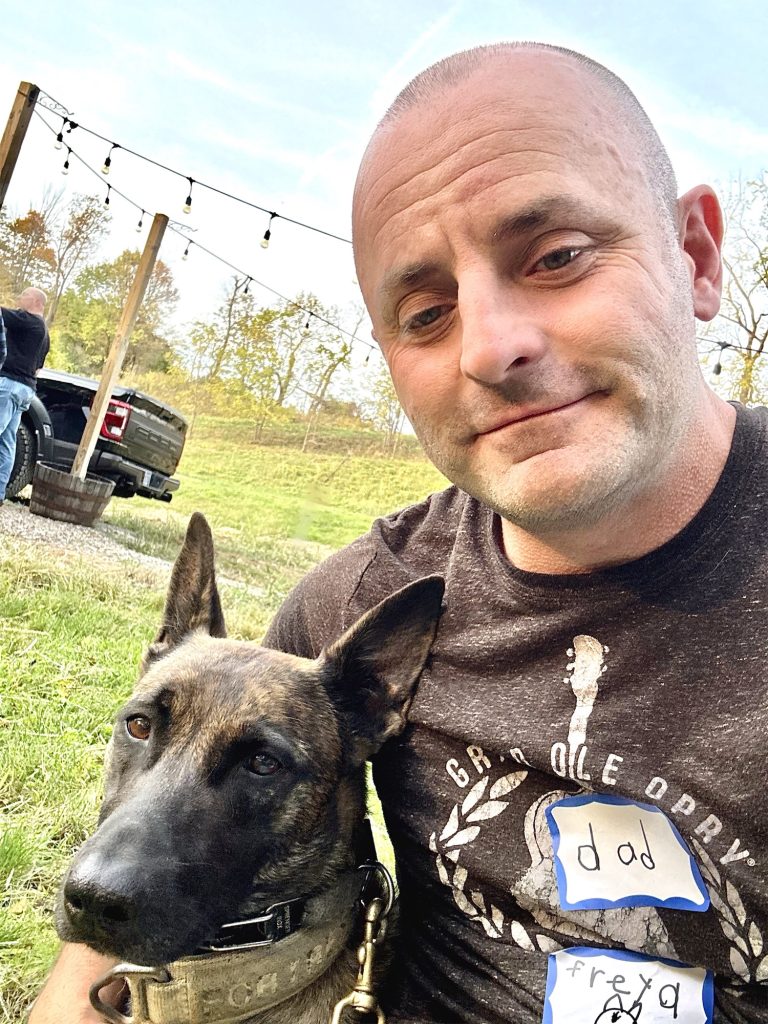
It lives beside you as a trusted family member, serves as a 24/7 security detail, and demonstrates The Switch: calm and stable in normal life, capable under real pressure, and able to return to control when the threat is over.
What the Right Protection Dog Adds to Your Life
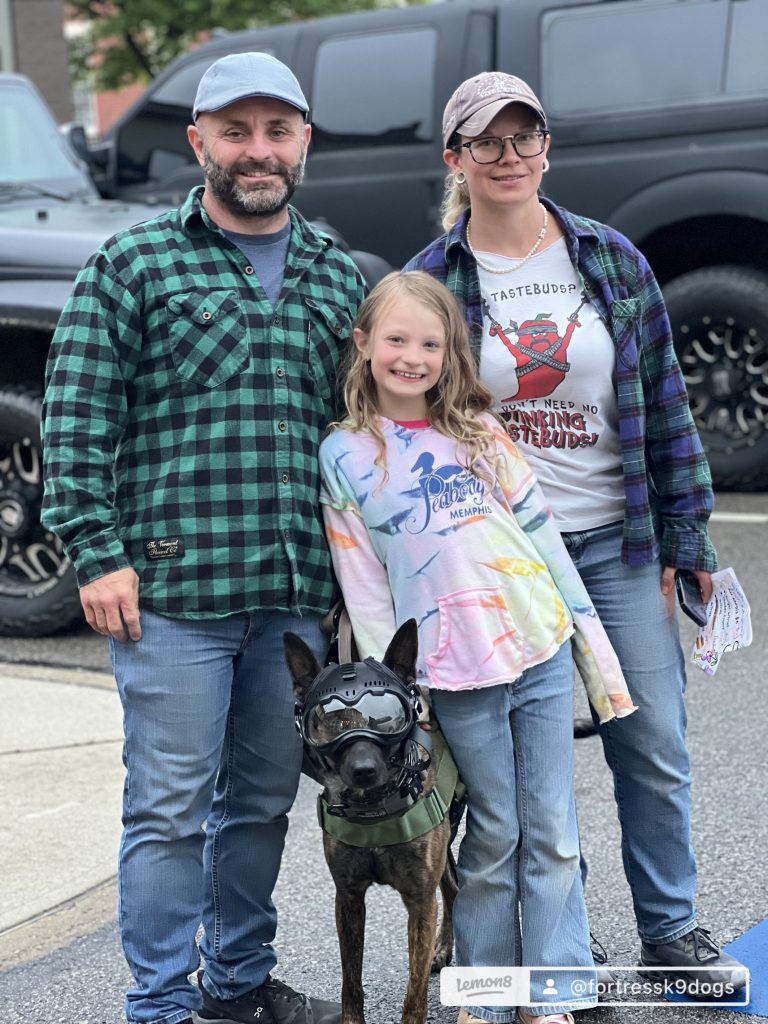
The right protection dog changes how you move through the world.
You sleep with greater confidence knowing there is a trained protector already inside your home—watching, listening, and noticing movement you may not hear.
You travel, work, and handle normal responsibilities differently when you know the people you care about are not left without protection simply because you cannot be beside them every moment.
You move through public places with a trusted companion that remains calm, controlled, and aware without treating every unfamiliar person as a threat.
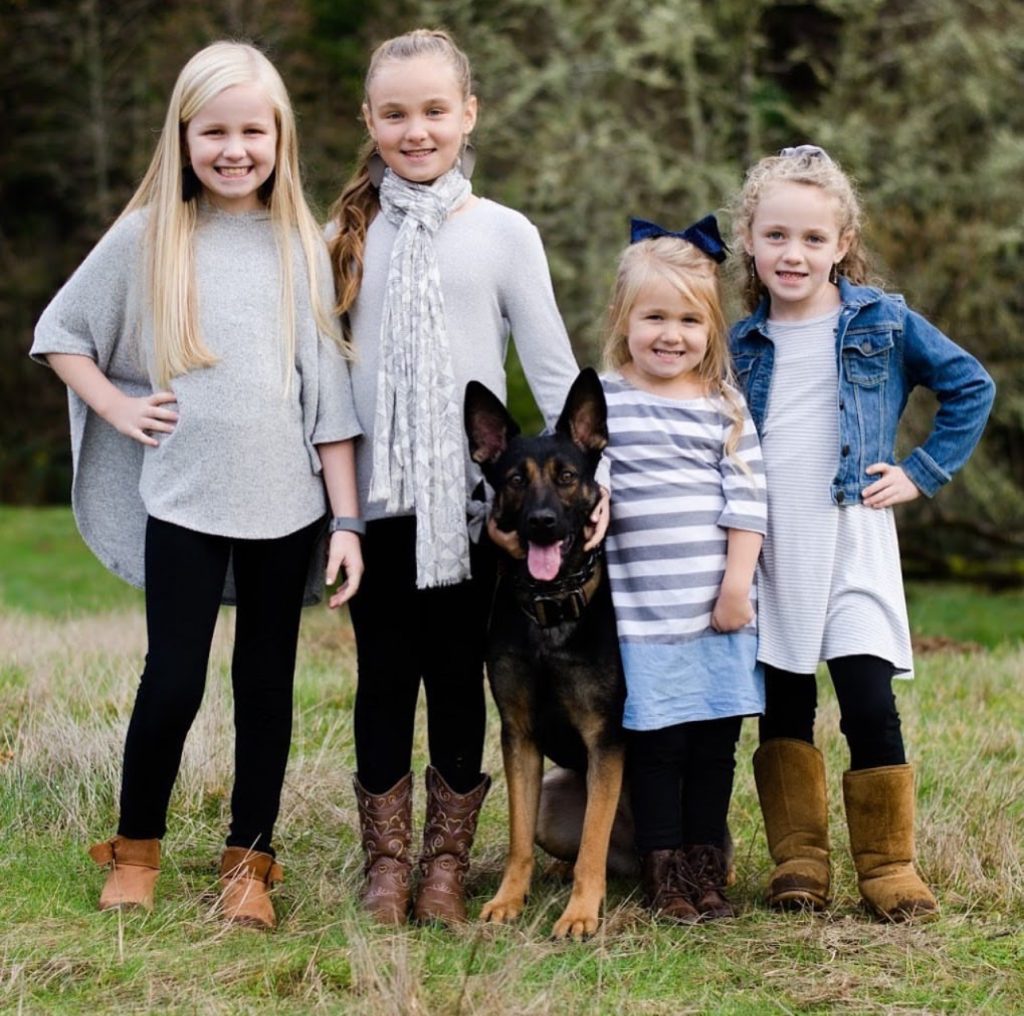
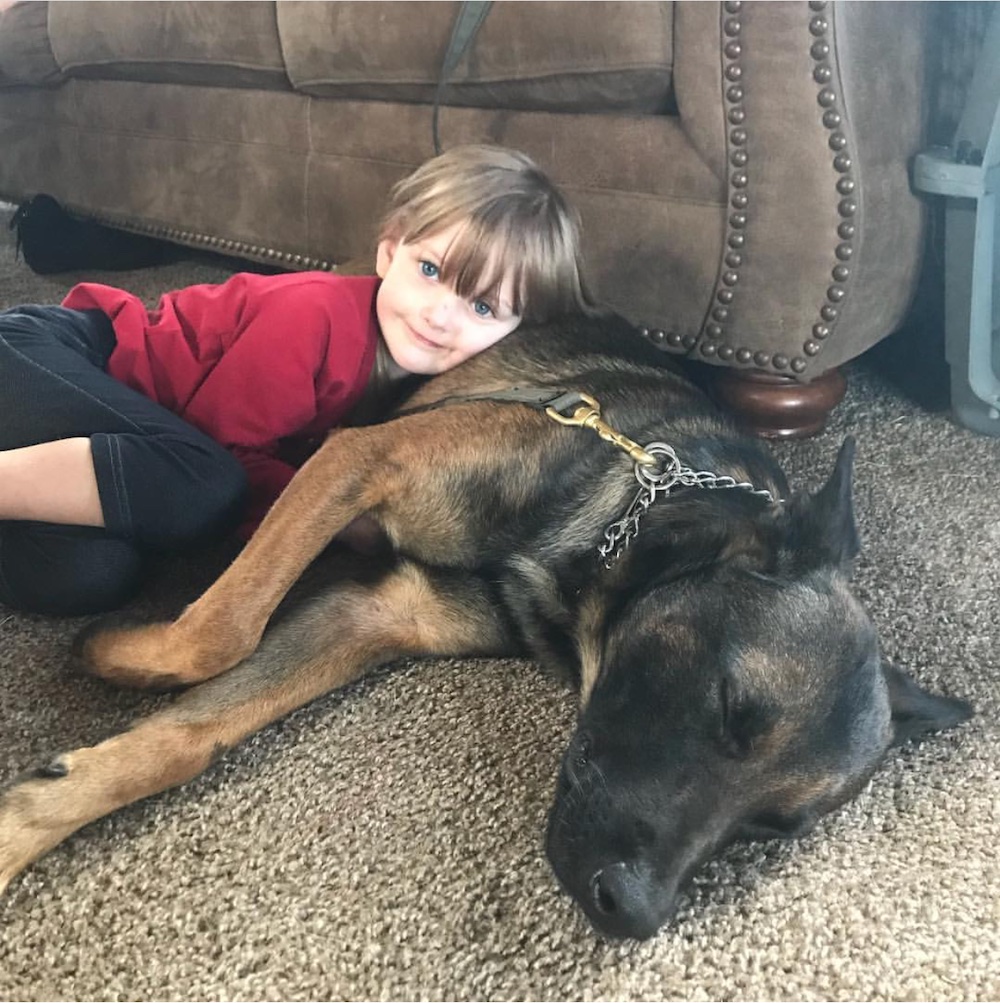
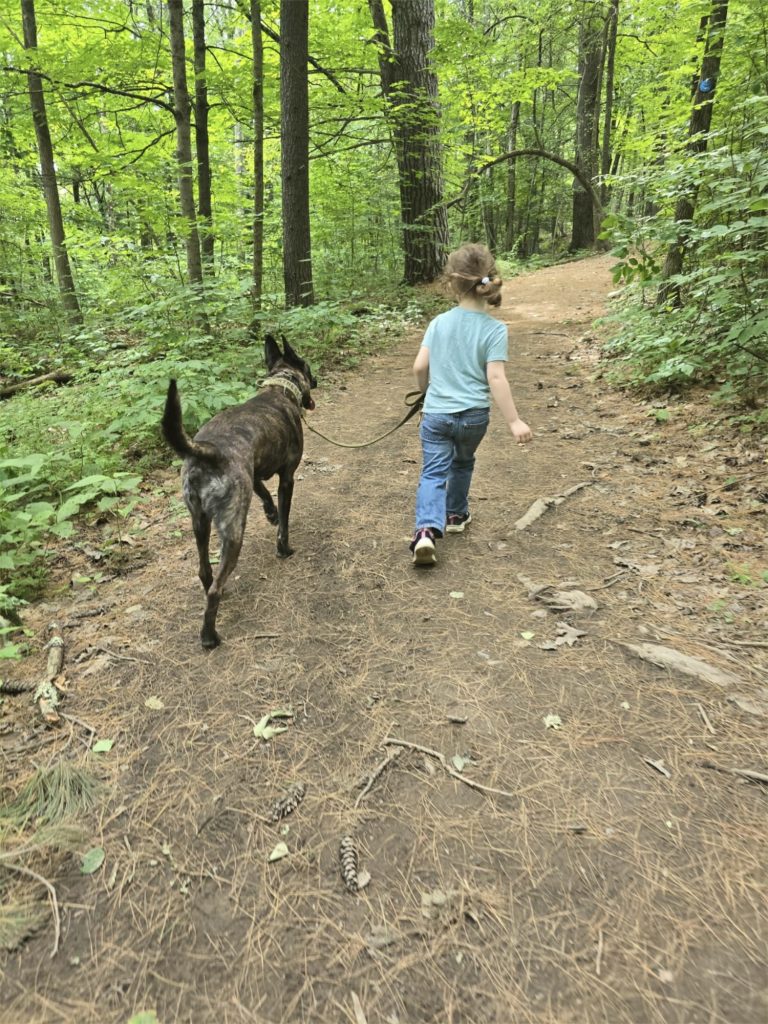
For a family, the dog becomes a beloved family member and a trained protector already present when a parent is working, traveling, or away from home.
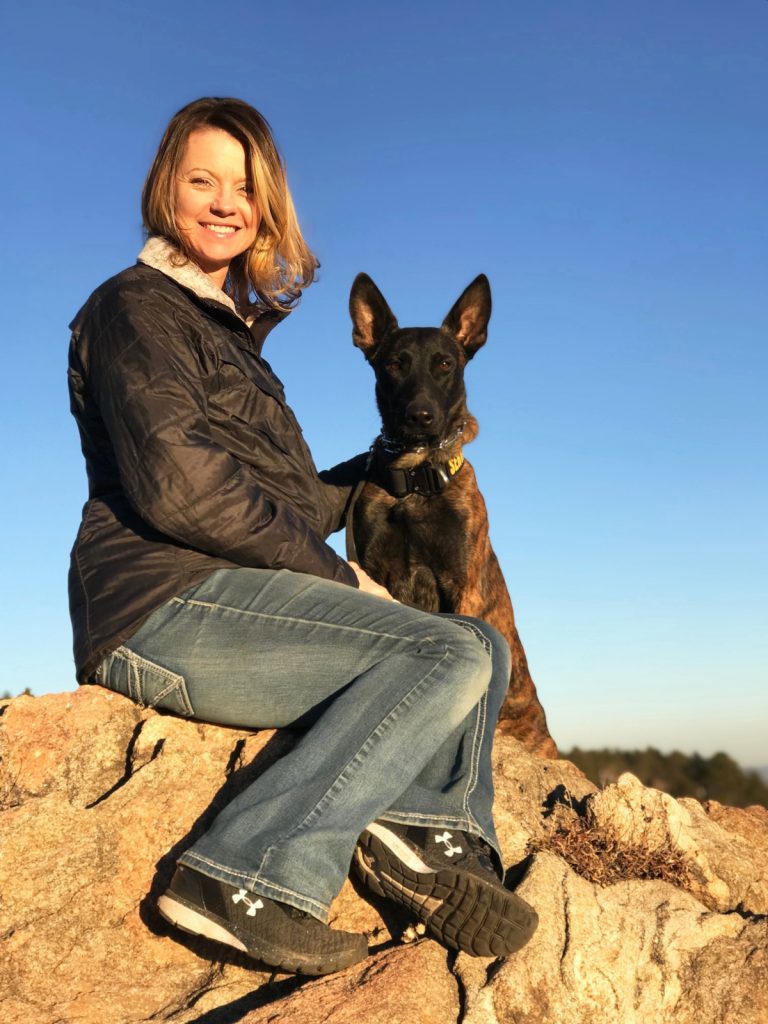
For someone living alone, the dog becomes a constant companion, bodyguard, and 24/7 security detail.
For travelers, business owners, executives, outdoor-oriented owners, and people with specific security concerns, the dog becomes a layer of protection that moves with them instead of remaining attached to one building or location.
Most of your life with a Fortress K9 Protection Dog will not involve a confrontation.
It will involve normal mornings, quiet evenings, guests, children, pets, vehicles, work, travel, shopping, and public environments.
The dog should fit into those parts of your life without creating unnecessary stress.
But if a real threat appears, the dog must be prepared to switch on, fight to stop the threat, remain under your control, and return to stability when the danger is over.
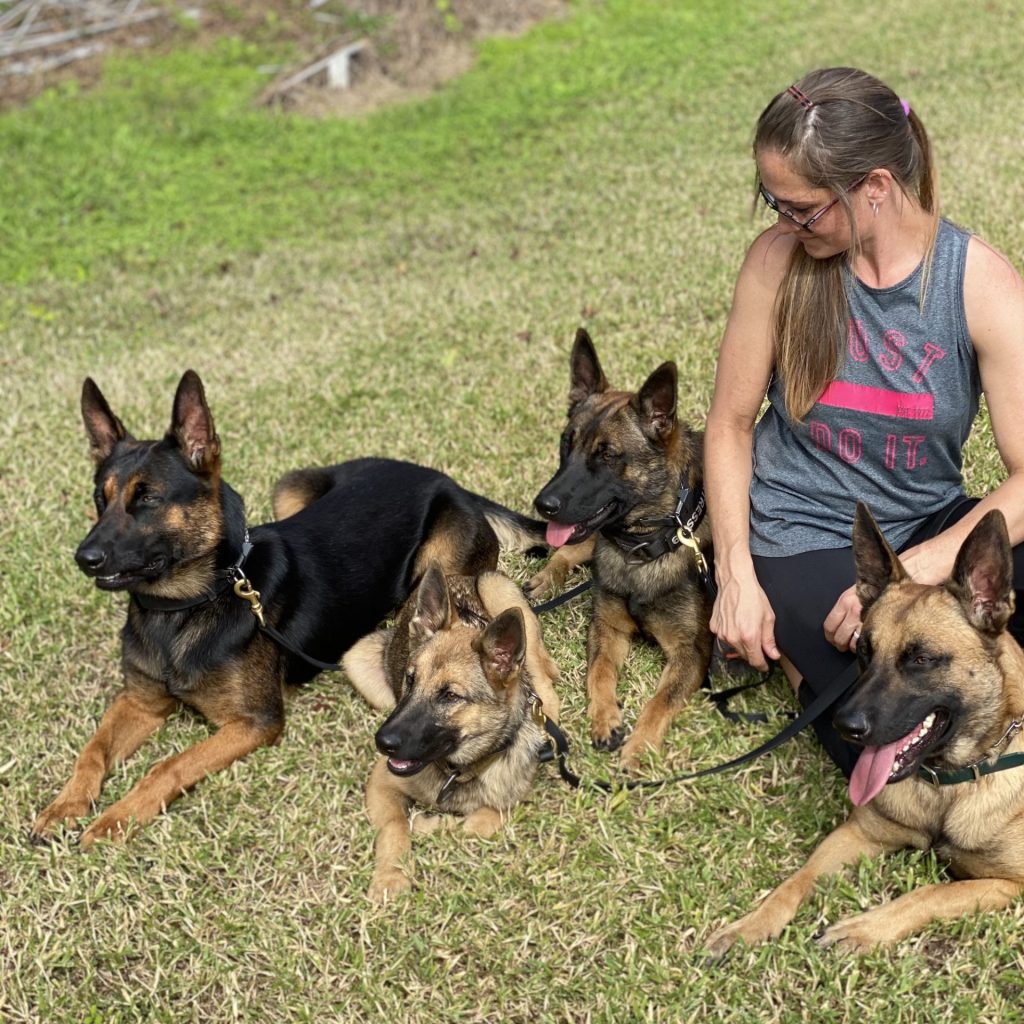
That is what the right protection dog adds:
A trusted family member.
A 24/7 security detail.
Greater confidence that you and the people you care about are not facing danger alone.
You Should Not Have to Guess Your Way Through a Decision This Important
That is why Fortress K9 does not try to sell every prospect the most intense dog available.
We have told people that Fortress K9 was not the right fit when their expectations did not align with what we produce.
Some people want a dog that acts aggressively toward everyone.
Some want the appearance of protection without the responsibility of structure, obedience, and handling.
Others expect a protection dog to solve every security problem without learning how to live with and control the dog correctly.
That is not what we produce.
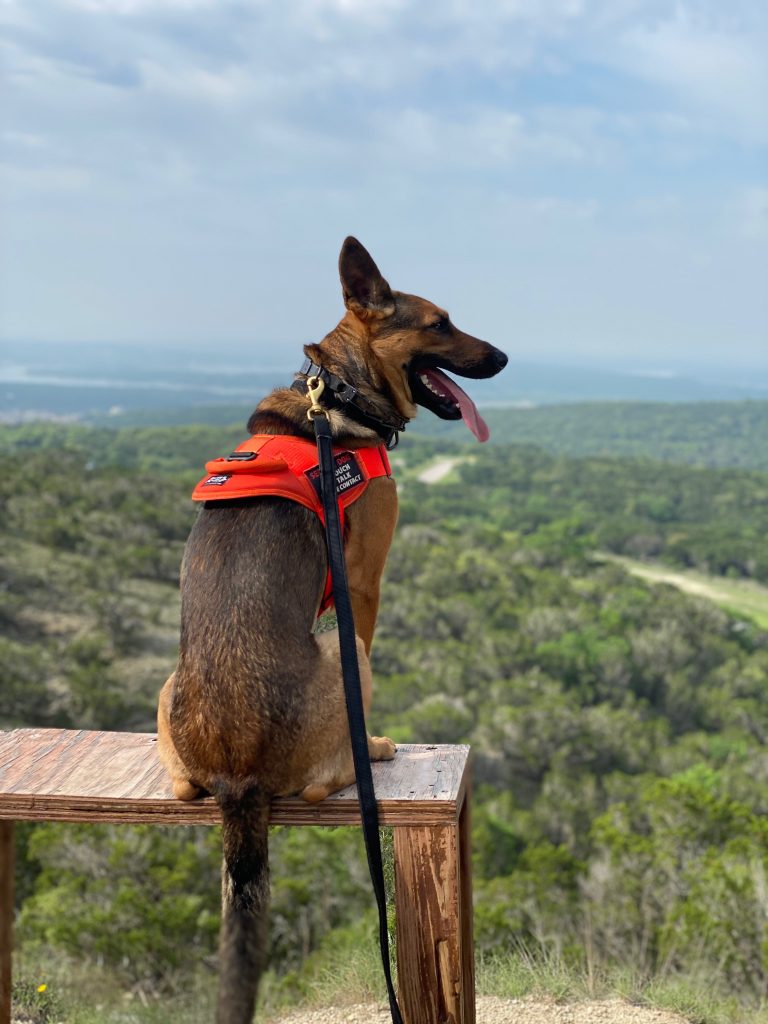
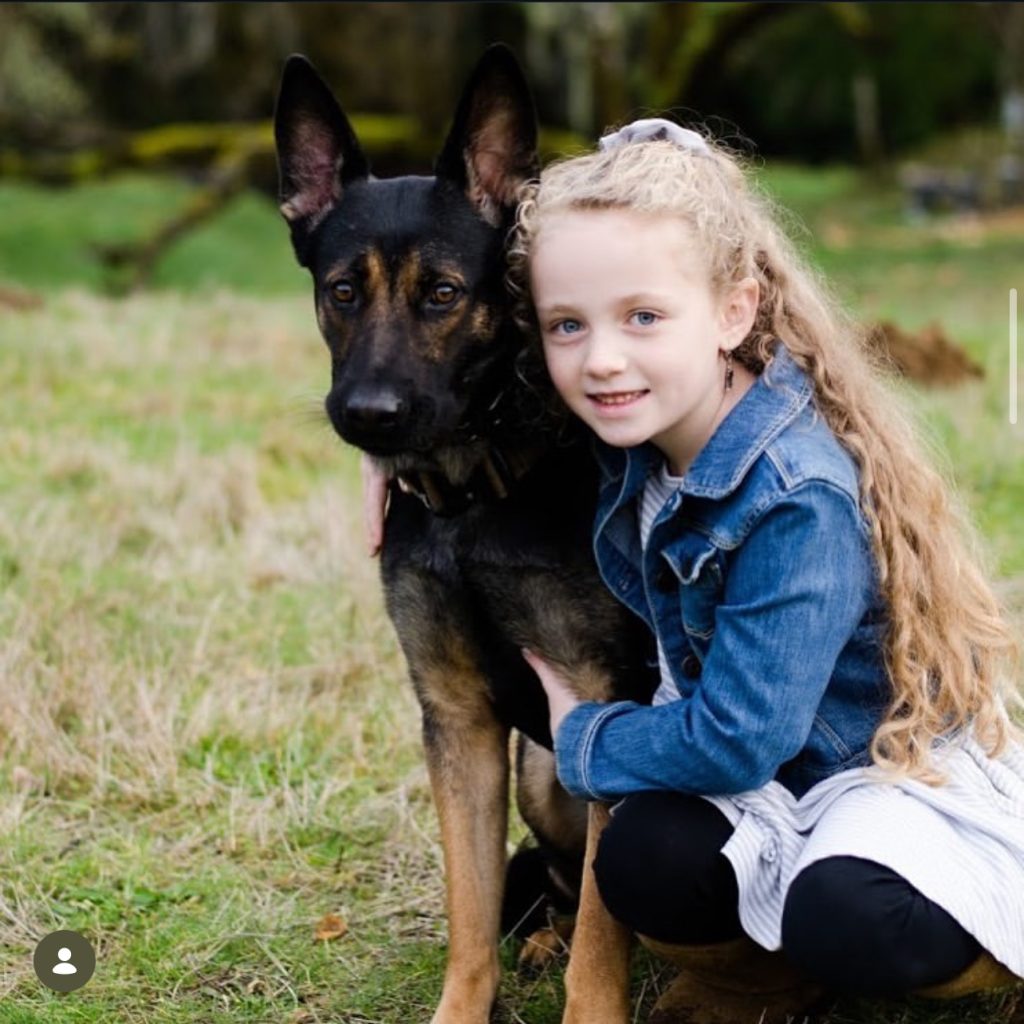
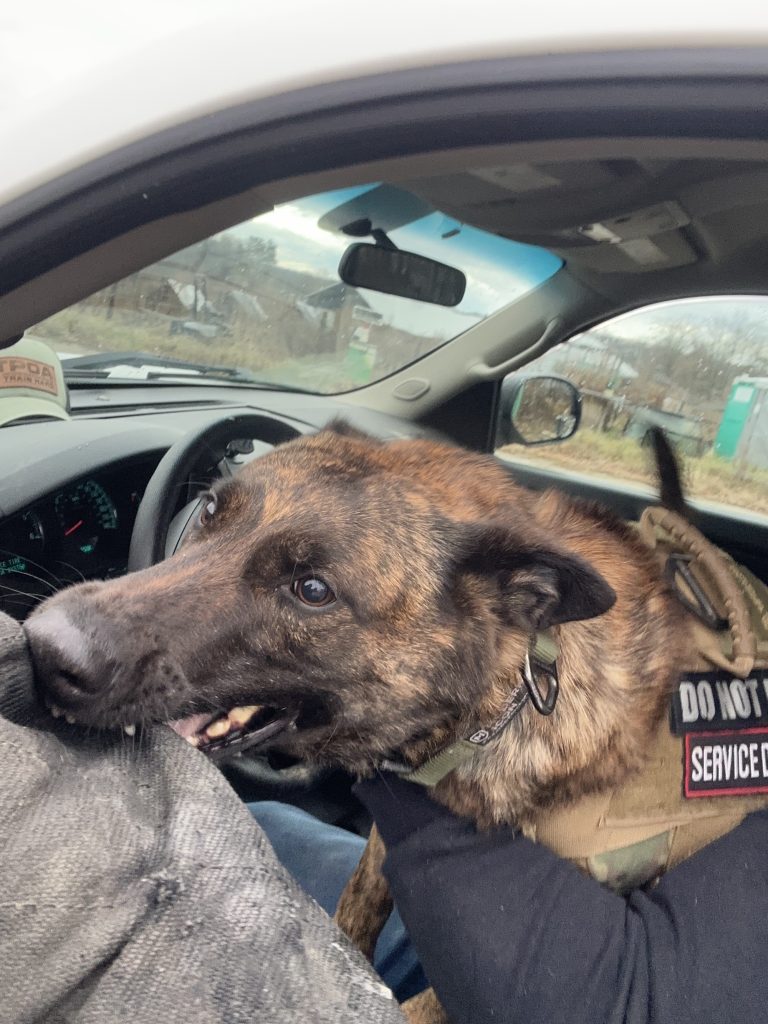
Fortress K9 develops protection dogs that live beside you as trusted family members and serve as a 24/7 security detail.
The dog must demonstrate The Switch: calm and stable in normal life, capable of fighting to stop a real threat, and able to return to control when the threat is over.
But the dog is only part of the decision.
Your expectations must also align with our breeding standards, training methods, handling requirements, protection philosophy, and integration process.
Fortress K9 is not a high-pressure sales company. We only want to do business with people who understand our approach and want to do business with us.
How to Use This Guide
Use the next three steps to evaluate both the dog and the company behind it.
Step 1: Understand Your Responsibility as the Handler
A trained protection dog should fit into your life with minimal disruption, but that does not mean no responsibility.
The dog still needs daily care, clear commands, consistent household rules, and regular opportunities to maintain its obedience. Freedom must remain connected to good behavior and handler control.
The first week may feel like work while you learn the dog’s commands, routines, and responses. With consistent handling, the relationship should become increasingly natural within the following weeks.
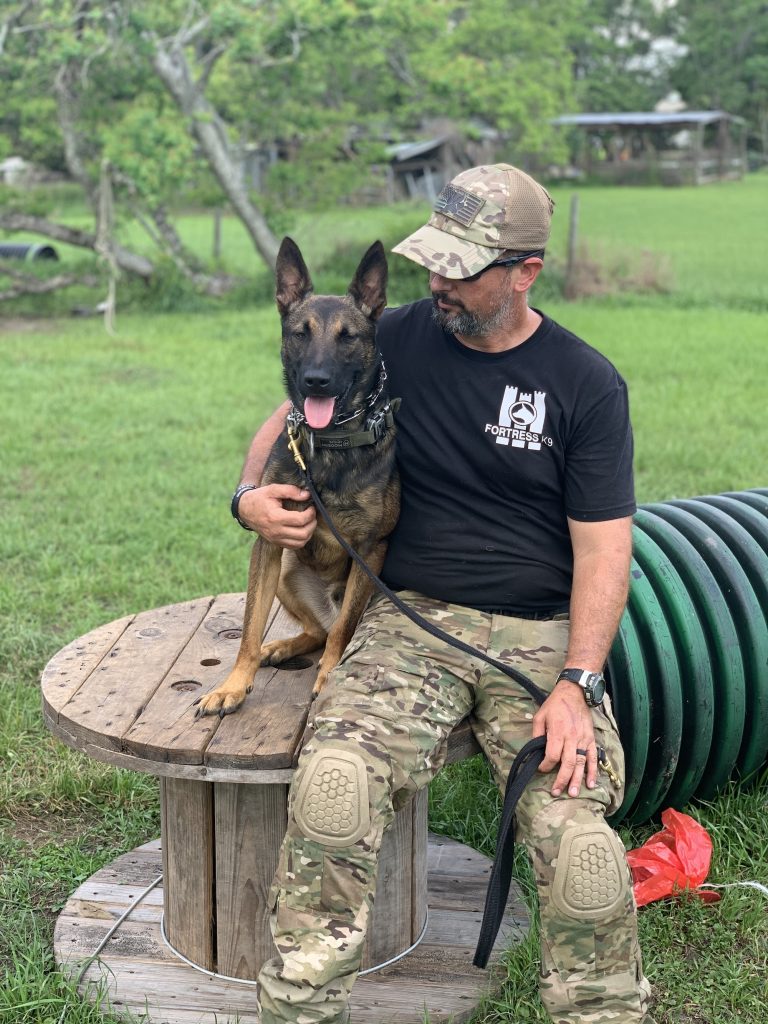
Fortress K9 provides Integration Training to teach you how to handle the dog, maintain control, understand its protection work, and bring it into your home safely. Continued support is available after placement because successful ownership does not end when the dog is delivered.
Step 2: Evaluate Both Stability and Protection Capability
A true protection dog must succeed at both ends of the spectrum.
It must be safe and stable around the people, animals, and normal activity that belong in your life. It must also be capable of recognizing and fighting through a real threat when protection is required.
Sport titles, rehearsed routines, and impressive bite videos do not prove that a dog can provide both.
The sections below explain what to look for in protection training, breeding lines, and the dog’s ability to demonstrate The Switch.
Step 3: Compare the Complete System
Do not compare companies based only on price, breed, titles, or the appearance of an individual dog.
Compare:
- What the breeding program is designed to produce
- How the dogs live outside protection training
- How the company prepares dogs for real threats
- How the dog is matched to the buyer
- What handler preparation and integration are included
- What support remains available after placement
Ask several companies the same questions and evaluate whether their answers, dogs, and training methods support their claims.
Fortress K9 believes you should choose the company whose complete philosophy best matches what you expect from the dog living beside you.
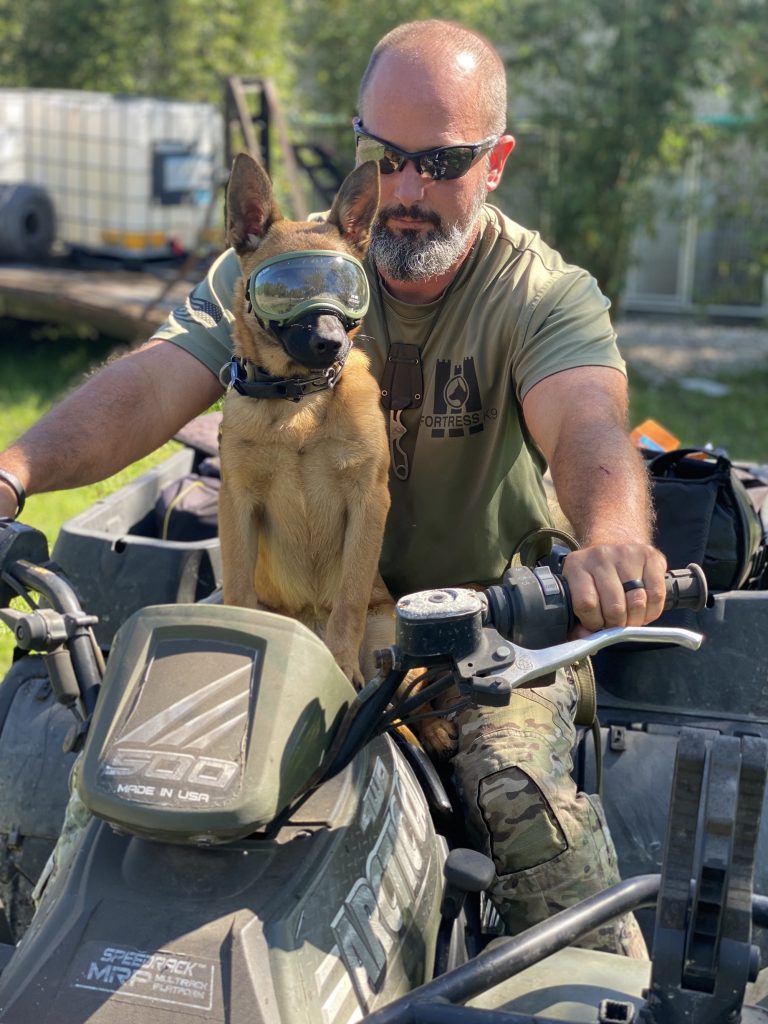
Sport Training Is Not Real-World Protection
Sport training and protection training are built for different missions.
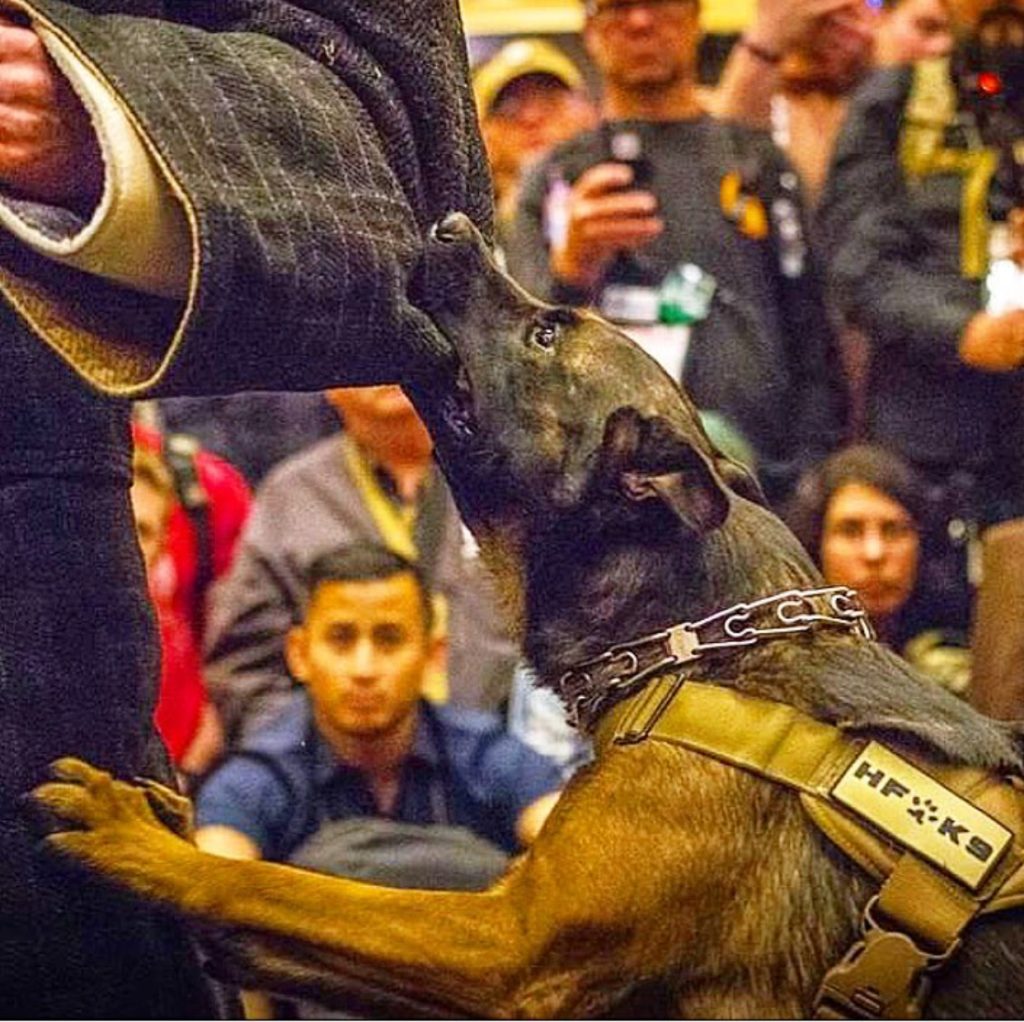
A sport dog can be highly accomplished at following its sport routine. That does not prove the dog has been prepared to live safely in your home or fight effectively during a real attack.
Sport exercises typically use familiar equipment, predictable targets, established rules, and a decoy who helps the dog complete the exercise.
A real attacker does none of those things.
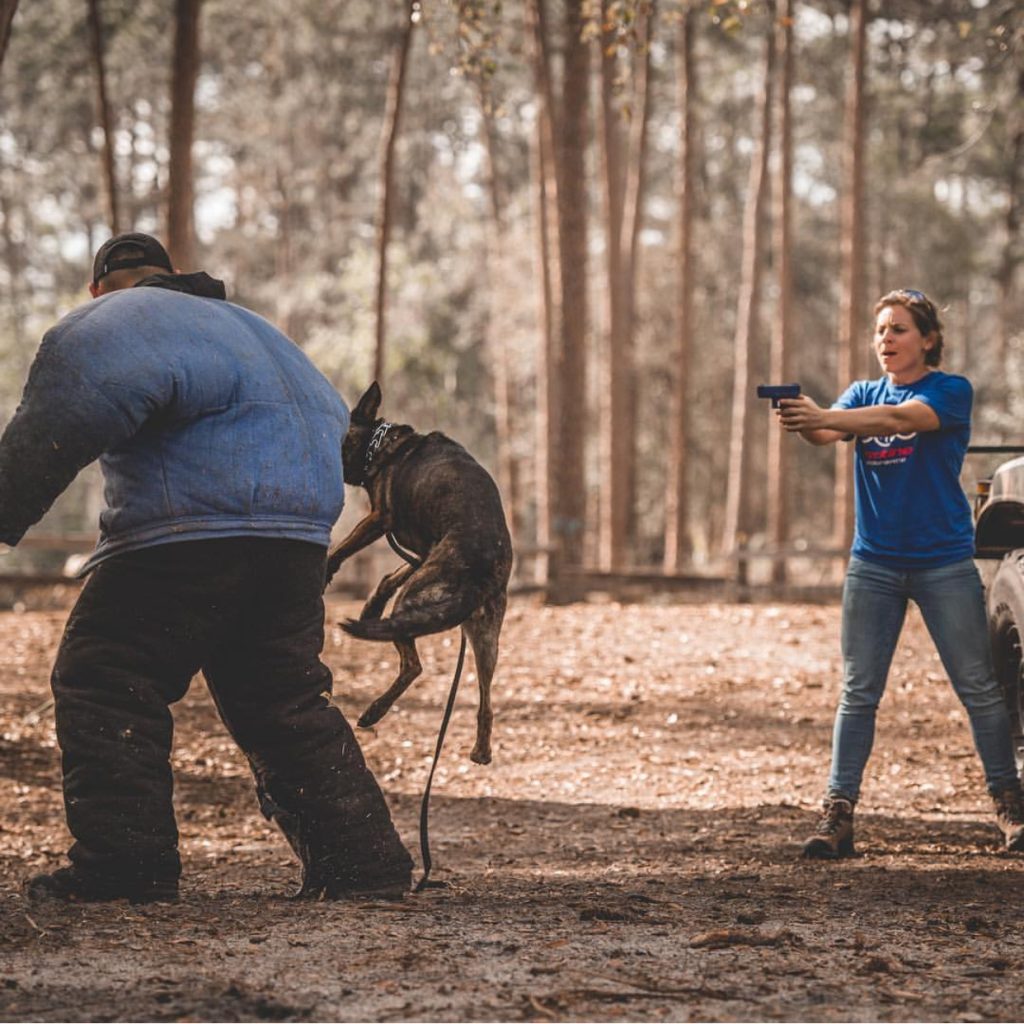
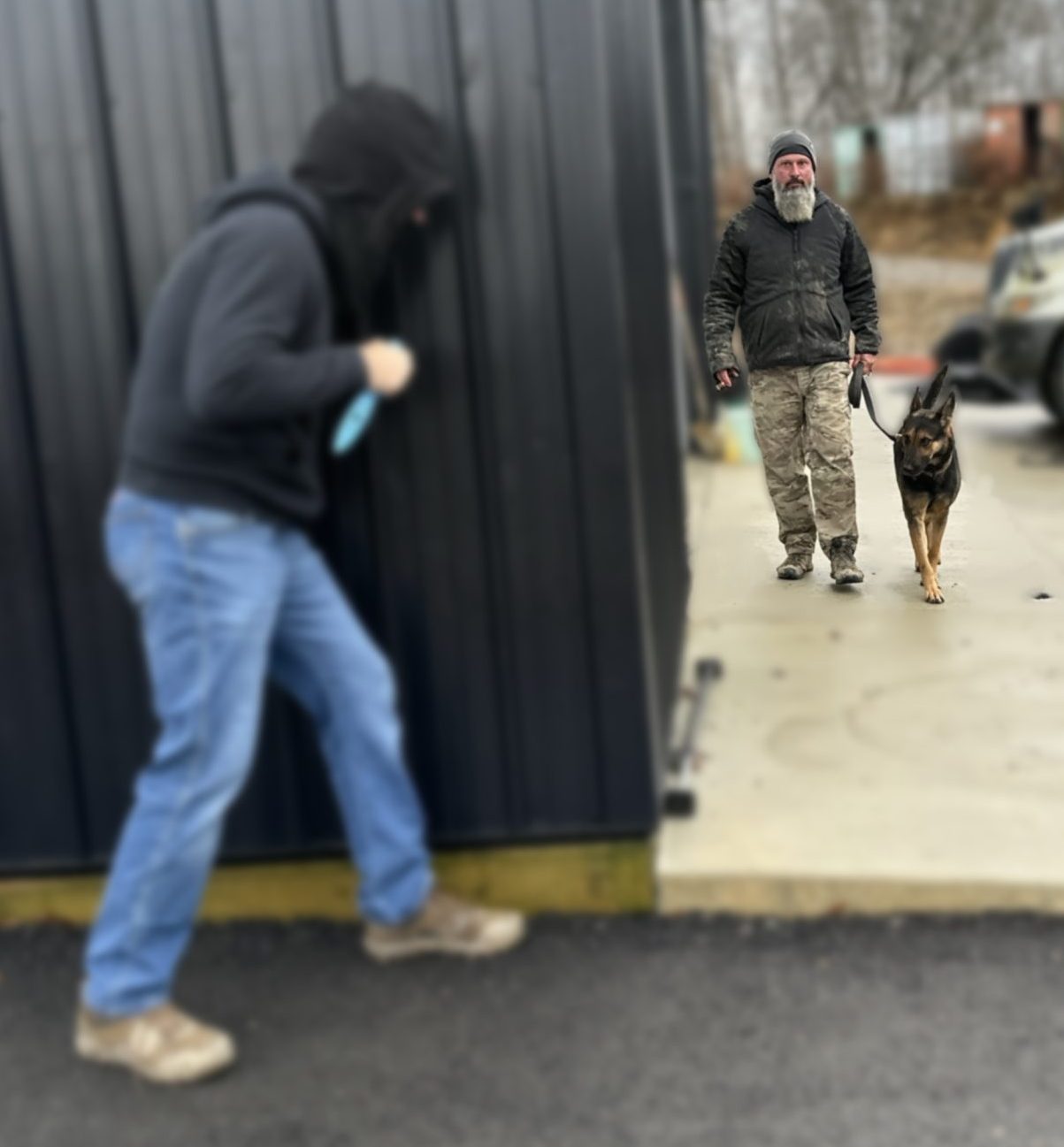
An attacker may strike the dog, use a weapon, move unpredictably, fight from the ground, attack inside a vehicle, or work with another person. The dog must recognize the threat, adapt as the fight changes, and remain under the handler’s control.
Training Creates the Dog’s Default Response
What a dog repeatedly practices is what you are relying on it to do when your life is no longer a controlled exercise.
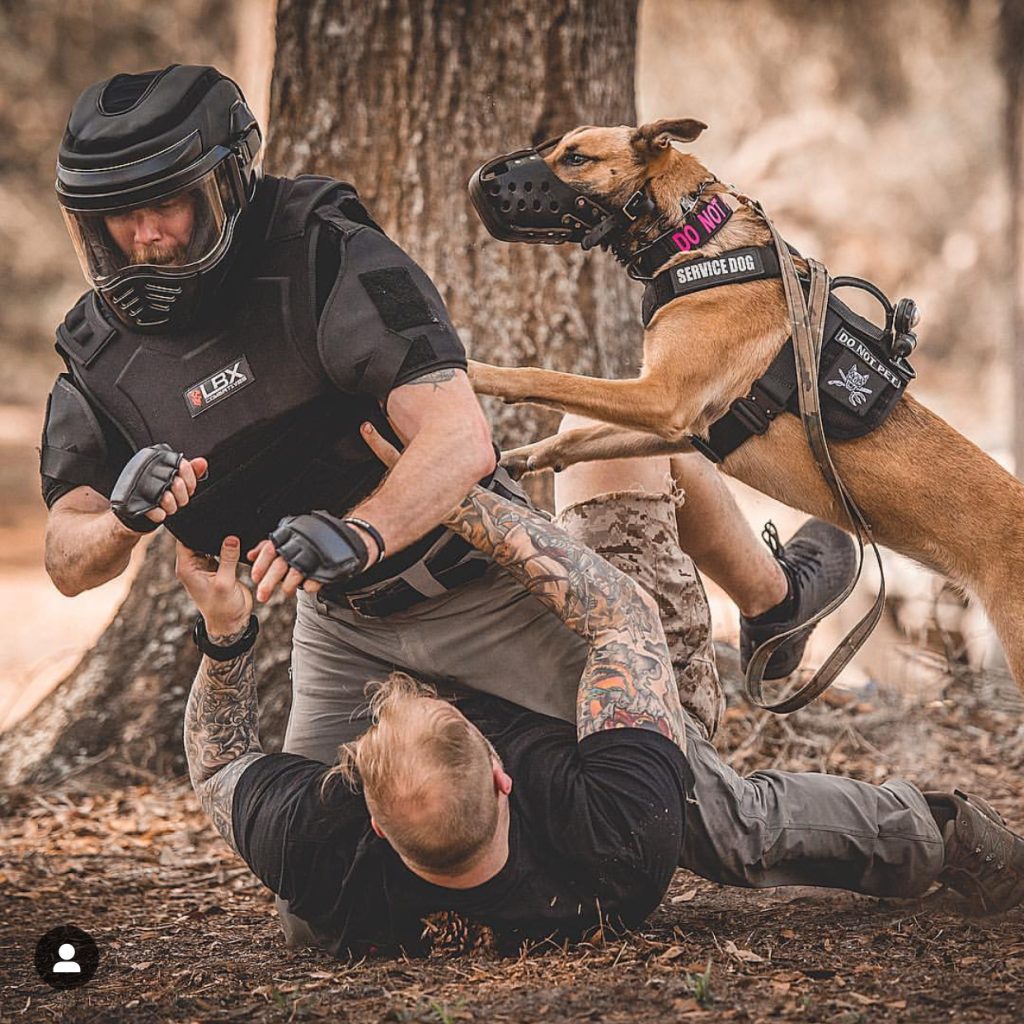
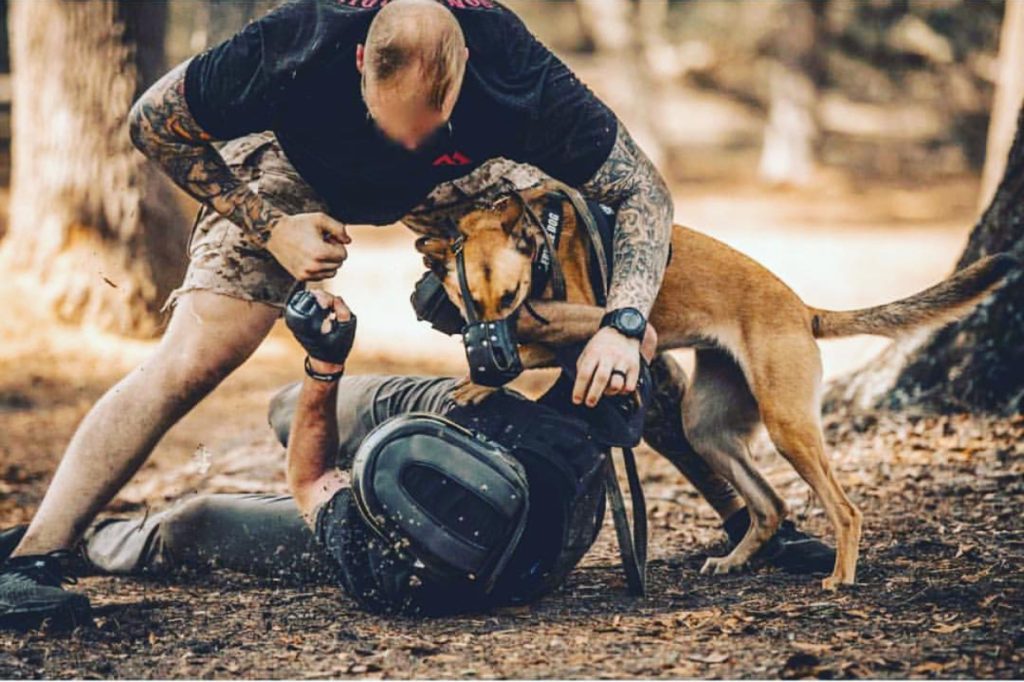
That is why Fortress K9 does not use a traditional decoy whose primary role is to present a clean bite target.
We use a K9 Sparring Partner.
The Sparring Partner’s job is not to give the dog a bite. The Sparring Partner’s job is to give the dog a problem it must solve.
The dog must learn to defend itself and its handler, recognize changing threats, counter attacks, and continue fighting effectively when the situation no longer follows a routine.
What to Watch for in Training Videos
When comparing companies, pay attention to what the dog targets and what it ignores.
The Dog Ignores Exposed Hands
Hands are the primary tools a person uses to strike, grab, choke, or present a weapon.
Fortress K9 considers the hands the highest-value targets because disabling them can stop the attacker faster and create greater fear and loss of confidence than a clean bite to a protected arm.
A dog that repeatedly ignores exposed hands to reach familiar equipment has been trained to target the equipment—not the person threatening you.
The Person Wears Only One Sleeve
If an untethered dog bypasses exposed targets and attacks the only protected sleeve, the dog is recognizing the equipment.
That is not proof that the dog recognizes a real threat.
The Dog Carries Away a Slipped Sleeve
A dog that takes the sleeve and carries it around while the person remains present does not see the person as an attacker.
The sleeve was the object of the game.
A real protection dog should discard the equipment and remain focused on the human threat.
The Dog Ignores Weapons or Additional Attackers
A dog that remains locked onto one bite while another person attacks or a weapon appears has been conditioned to remain fixed instead of solving the changing problem.
That may look intense, but intensity without awareness can make the dog easier to injure and less capable of protecting you.
Combat Effectiveness Requires More Than Holding On
A dog releasing a bite does not automatically mean it failed under pressure.
The dog may be creating distance, avoiding a strike, moving to a better position, targeting a weapon-bearing arm, or preparing to re-engage.
A skilled fighter does not prove courage by remaining fixed in one place while absorbing damage. Movement, timing, repositioning, and selecting the right target can demonstrate greater fighting ability.
Fortress K9 dogs are trained to remain committed to the fight while adapting as the threat changes.
They are also trained to make their bites effective. The objective is not injury for its own sake. The objective is to apply enough force to end the violent threat as quickly as possible.
Once the attacker is no longer a threat, the dog must respond to the handler, disengage, and return control of the situation to the handler.
Why This Matters to You
You are not buying a title, a demonstration, or an impressive video.
You are choosing the dog that may someday be responsible for protecting you or someone you love.
That dog must be able to live beside you as a trusted family member, move calmly through normal life, recognize a genuine attack, adapt during the fight, and fight to stop the threat.
Fortress K9 does not oppose protection sports practiced honestly as sports.
We stand against sport routines, titles, and equipment-focused training being presented as proof that a dog is prepared for real-world protection.
If you want to understand these differences in greater detail, schedule a consultation. Joel will begin with a personal text, answer your questions, and explain how Fortress K9 evaluates home stability, handler control, and combat-effective protection.
Why Breeding Lines Matter
A breed name tells you what a dog may look like. A breeding line tells you far more about how the dog is likely to think, behave, work, and live.
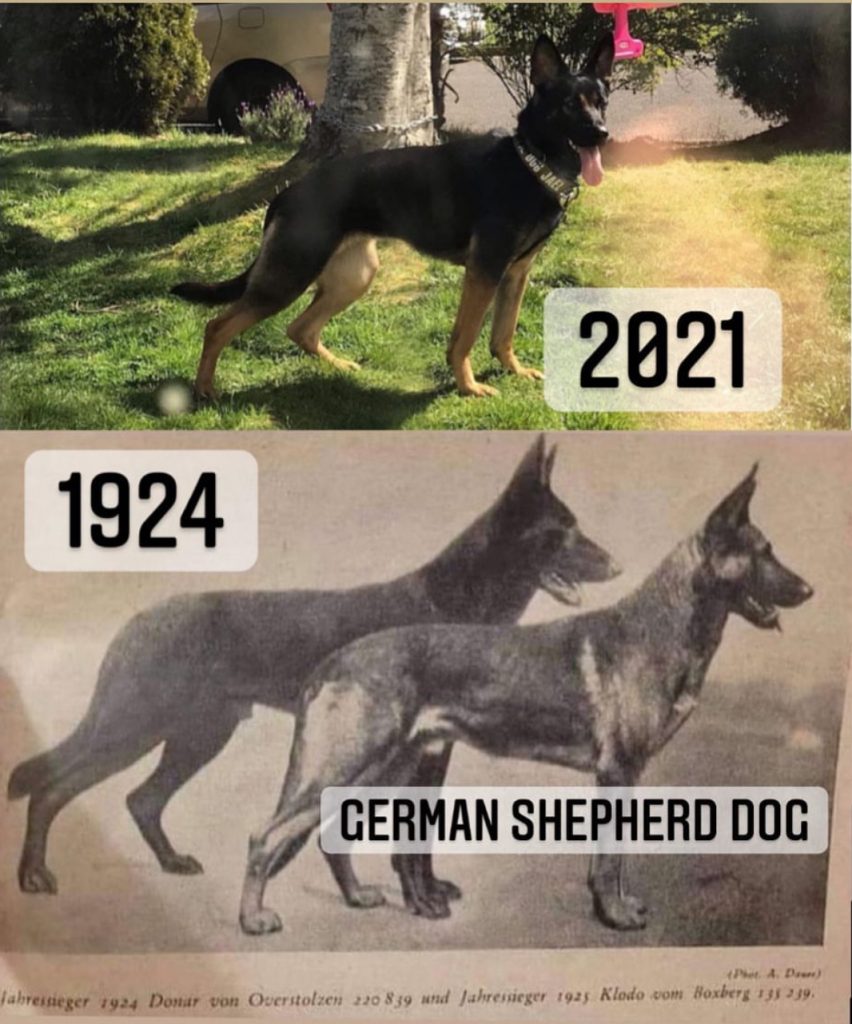
Two German Shepherds can share the same breed name and be completely different dogs. One may be stable, healthy, clear-headed, and capable. Another may be structurally unsound, difficult to manage, or unsuitable for protection work.
The difference is what breeders have selected for across generations.
The Mission Shapes the Dog
Dogs are bred for different purposes.
Some lines are selected for appearance. Others are selected for sport performance, police apprehension, extreme drive, pet temperament, or a specific physical standard.
Fortress K9 selects for a different mission:
- Stability in the home and in public
- Strong nerves and sound judgment
- Physical health and durability
- Problem-solving ability
- High-stress resilience
- The willingness and ability to fight a determined attacker
We breed for both ends of the spectrum: safety and combat.
A dog must be trustworthy around the people, animals, and normal activity that belong in your life. It must also have the mental strength, physical ability, and commitment required when a real threat appears.
We Do Not Breed for Purebred Status
Fortress K9 does not breed dogs to satisfy a show-ring standard or preserve purebred status for its own sake.
We use German Shepherd, Belgian Malinois, and Dutch Shepherd lines because each contributes valuable working characteristics. We intentionally maintain healthy genetic diversity and select breeding pairs according to capability, health, temperament, mental strength, problem-solving ability, and stress resilience.
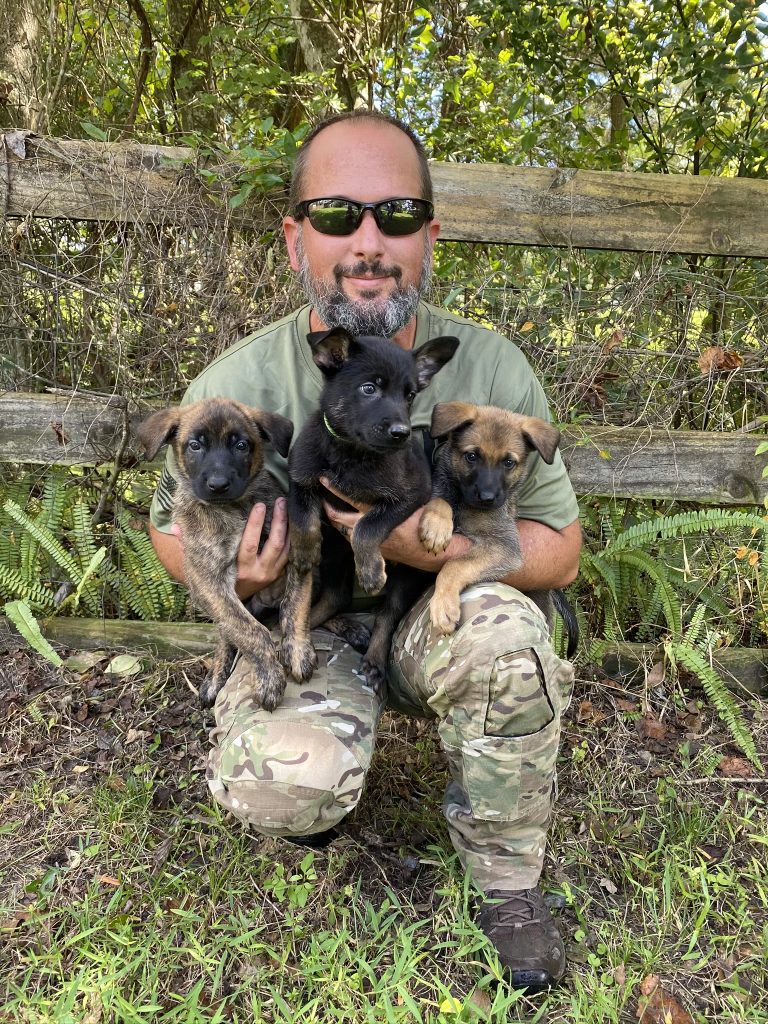
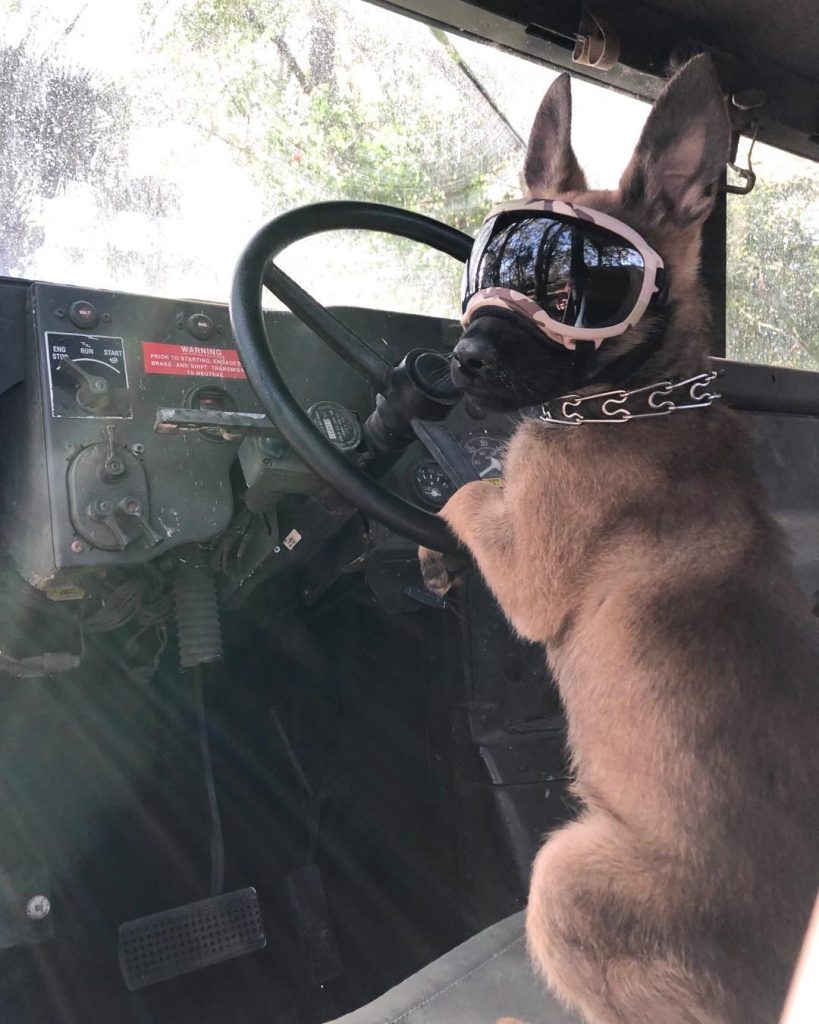
That approach has allowed us to produce:
- Malinois that can work long, demanding days while remaining calmer and easier to live with
- German Shepherds with straight backs, healthy hips, and without the structural problems common in compromised lines
- Dutch Shepherds with energy and working ability that can still settle into a calm home environment
A knowledgeable breeder can combine compatible lines, preserve the traits required for the mission, and gain the benefits of hybrid vigor at the same time.
The result is not a random mixed-breed dog.
It is an intentionally produced protection dog built from generations of selection for a specific purpose.
The Best of Both Worlds
Many people are warned that a Malinois or Dutch Shepherd will be too high-strung, too difficult to manage, or require constant exercise.
That may be true of many lines. It is not an accurate description of the dogs Fortress K9 has spent generations producing.
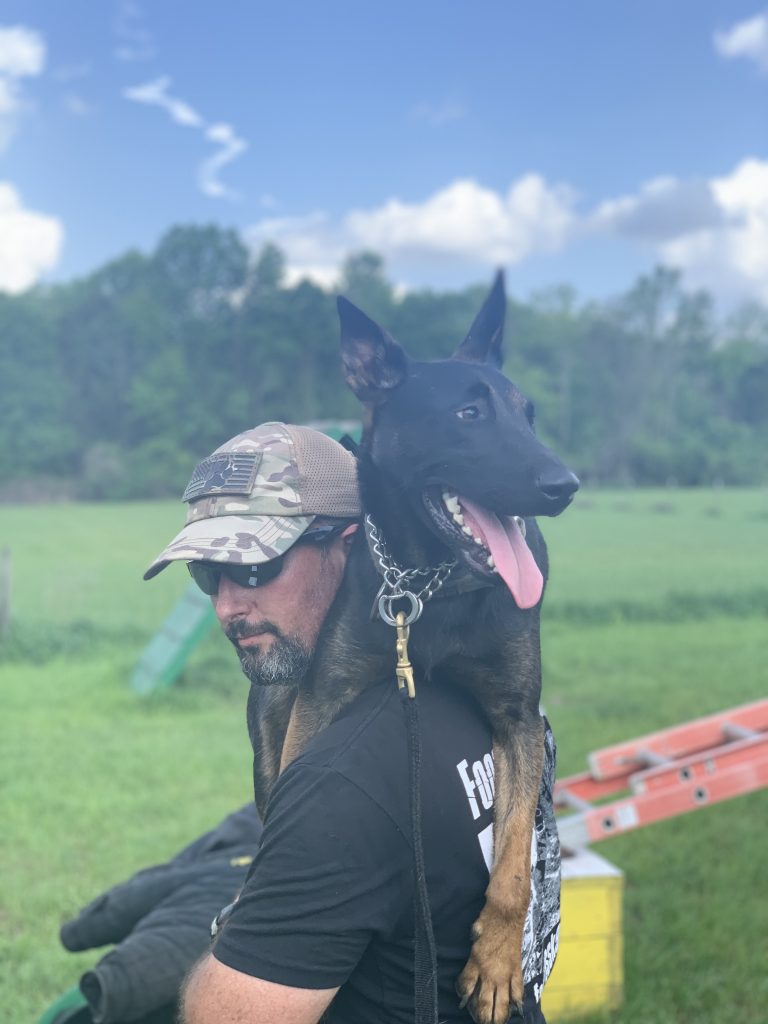
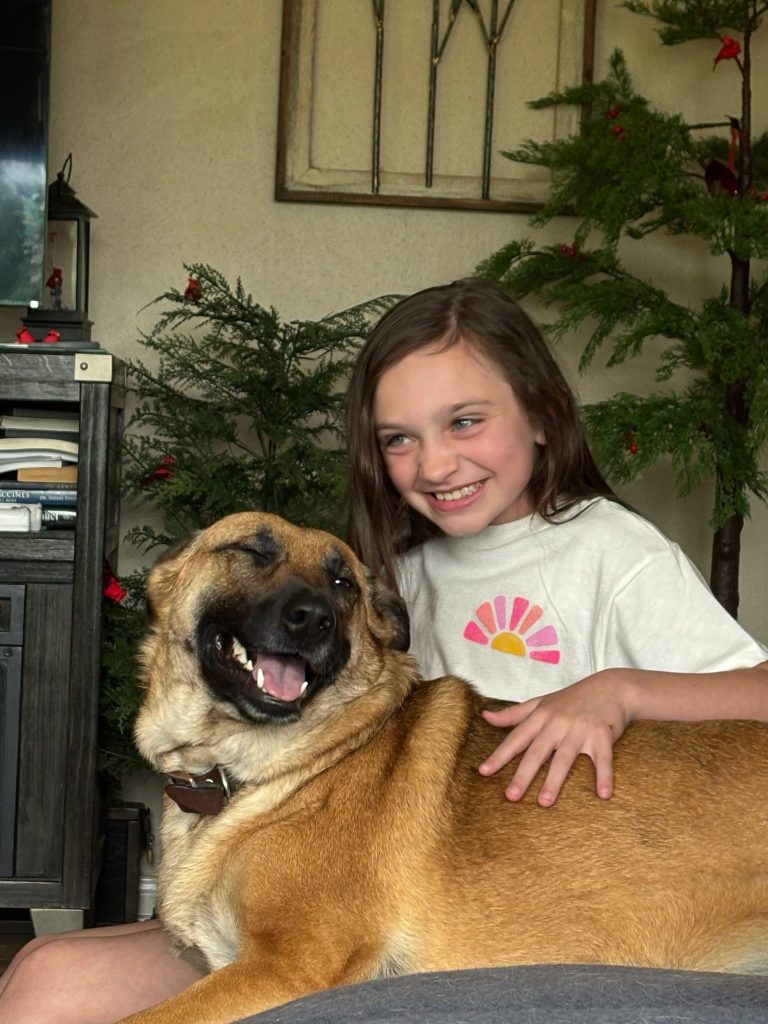
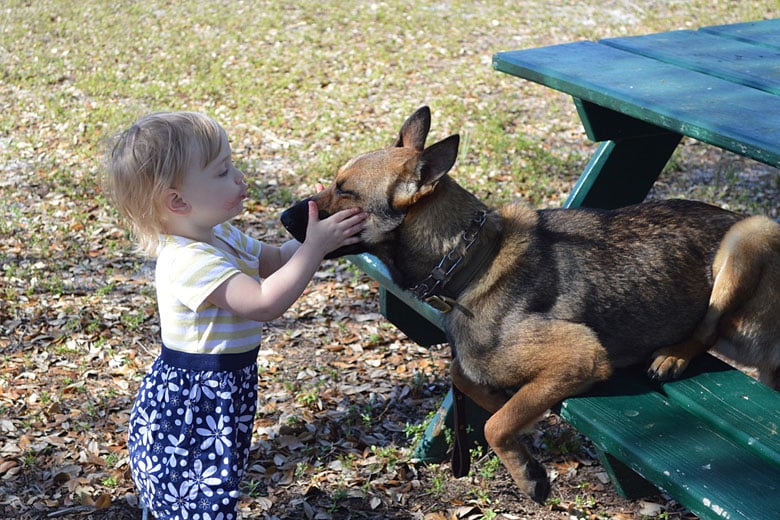
We have successfully placed Malinois with older women living alone and Dutch Shepherds with families raising small children. We regularly hear from clients whose relatives warned them not to choose these breeds because the dog would be too intense for normal life.
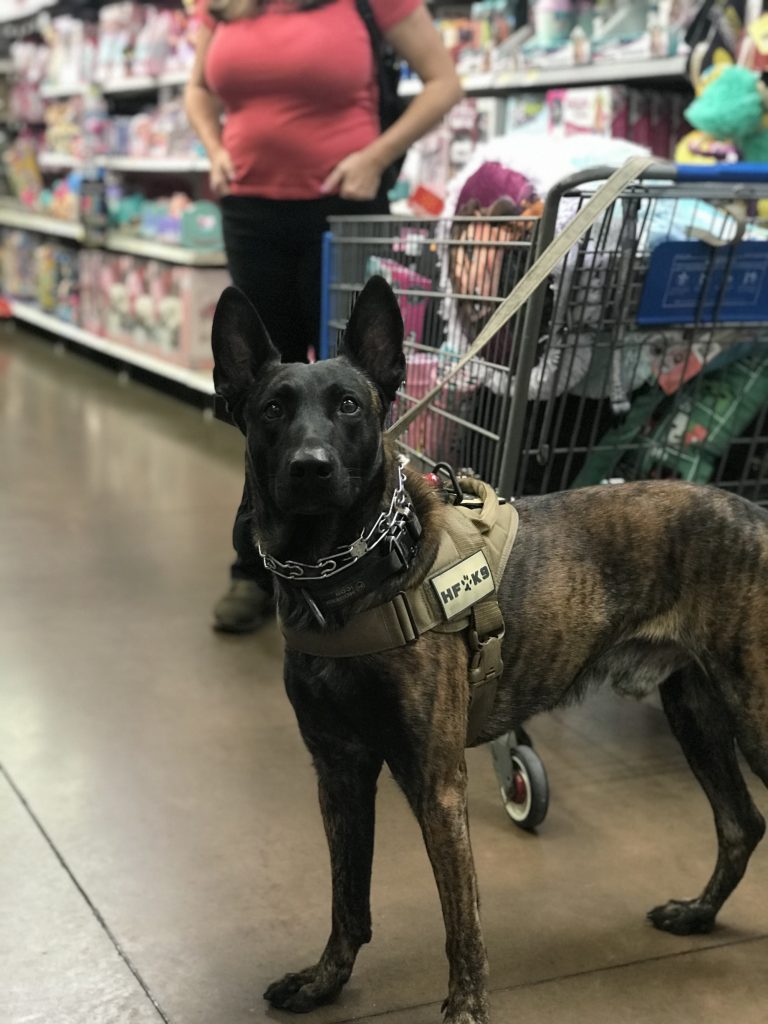
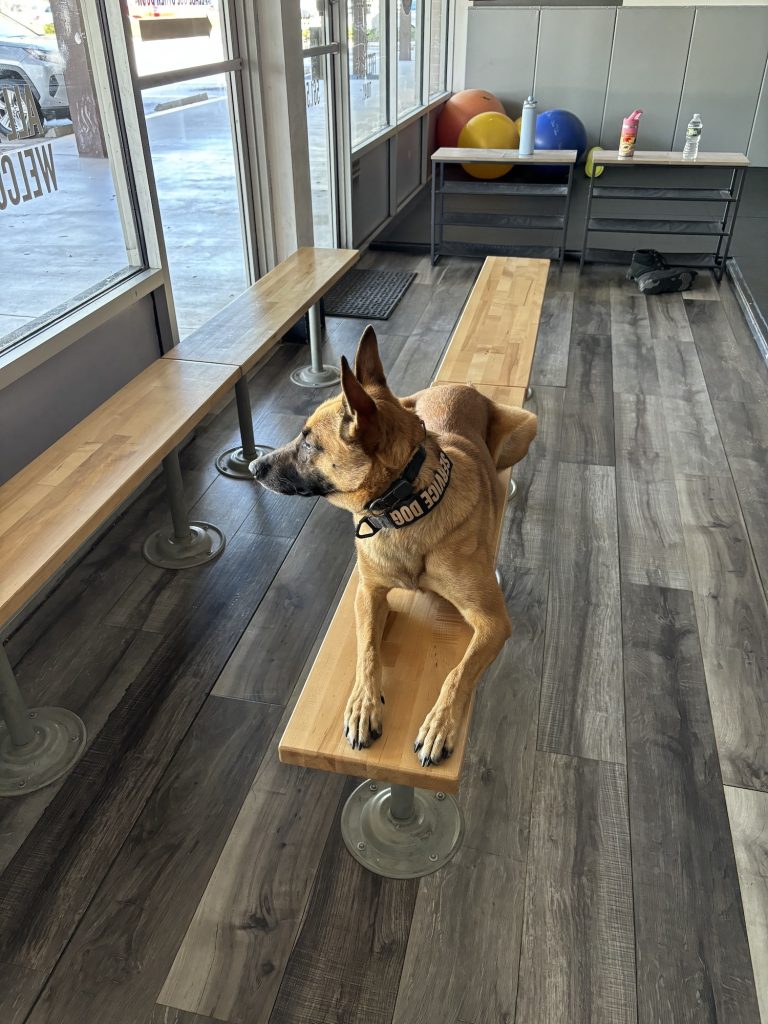
Those same dogs can move through high-intensity protection scenarios and, moments later, lie quietly in the shade.
That is The Switch.
The dog can work hard when the situation demands it, then turn off, settle, and live calmly as part of the household.
Fortress K9 is not trying to produce the most frantic, restless, or extreme dog possible. Ultra-high drive is not the same as quality, and it is rarely what a normal owner needs in the home.
A buyer specifically seeking an ultra-high-drive sport or working dog should look elsewhere.
Our objective is a dog with the capability to perform at a high level and the stability to live comfortably beside you when there is no threat.
Genetics Come Before Training
Training matters, but training cannot reliably create traits that the dog does not possess.
A trainer can develop obedience, control, confidence, and protection skills. But training cannot fully replace weak nerves, poor health, unstable temperament, or an inability to think under pressure.
The genetic foundation must be present first.
Fortress K9 then develops that foundation through early socialization, obedience, environmental exposure, protection training, pressure testing, and continued evaluation.
Strong genetics and strong training work together. Neither should be used as an excuse for weakness in the other.
What This Means for You
Do not choose a protection dog based only on its breed, color, registration papers, famous pedigree names, or sport titles earned by its parents.
Those details do not tell you what the breeding line has been repeatedly selected to produce.
The more important question is:
“What has this line been bred to do, and does that purpose match the dog I need?”
The important question is not simply:
“Is this a German Shepherd, Belgian Malinois, or Dutch Shepherd?”
The better question is:
“What has this line been bred to do, and does that purpose match the dog I need?”
How to Verify What a Company Claims
A polished website, impressive pedigree, or dramatic training video does not prove that a dog is safe to live with or capable of protecting you during a real attack.
The company should be able to show that its claims match the dogs it produces.
See the Dog Outside the Training Field
Protection work is only one part of the dog’s life.
Ask to see how the dog behaves when nothing exciting is happening:
- Inside a home
- Around unfamiliar people
- Near children, guests, or other animals
- In public environments
- While traveling or riding in a vehicle
- During periods of inactivity
A dog that performs well during a controlled protection exercise but cannot settle, remain neutral, or follow commands in normal life may create more stress than security.
Look for Control at Every Stage
Do not evaluate only the moment the dog bites.
Pay attention to what happens:
- Before the dog is released
- While the dog is engaged
- When the threat changes
- When the handler gives commands
- After the attacker is no longer a threat
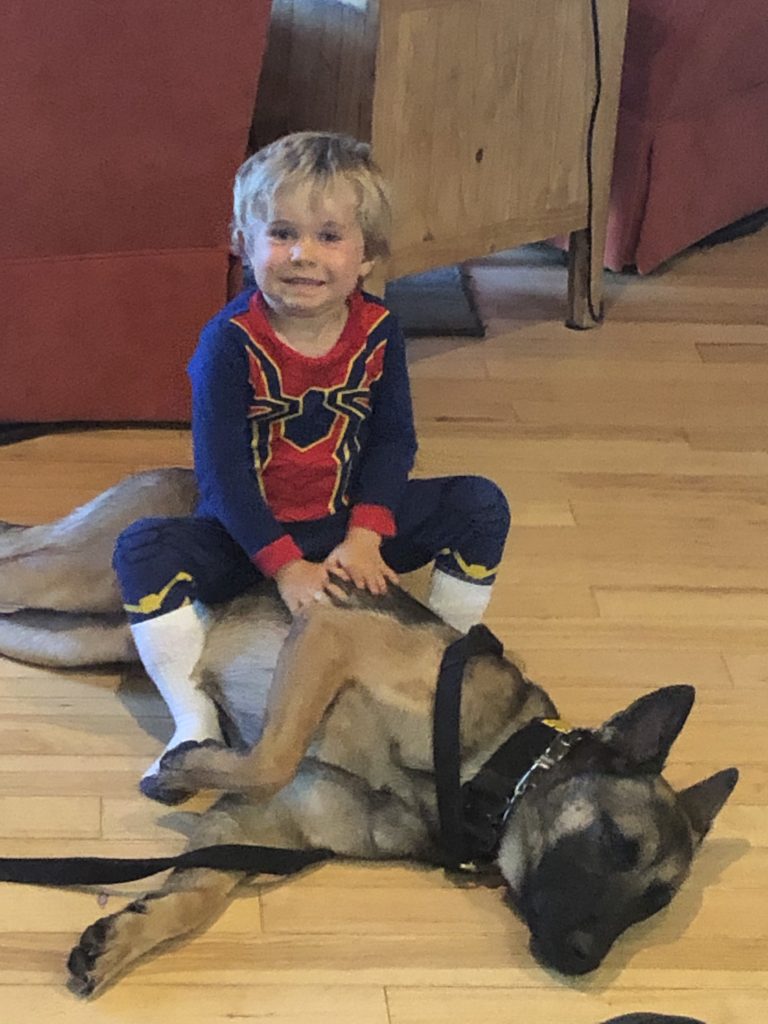
The dog should remain under control without losing the willingness to protect.
A company should be able to show that the dog can activate when necessary, disengage when commanded, and return to stable behavior afterward.
That is The Switch.
Ask What Happens When the Scenario Changes
Real attacks do not follow routines.
Ask how the dog has been prepared for:
- Weapons
- Multiple attackers
- Confined spaces
- Ground fighting
- Equipment being removed
- An attacker who fights back
- A threat appearing somewhere other than the training field
You do not need to understand every training technique. You do need to know whether the dog has been taught to recognize human aggression, adapt to changing conditions, and remain effective when the exercise stops being predictable.
Ask About the Breeding Program
Find out what the breeding lines have been selected to produce.
Ask:
- What traits qualify a dog for breeding?
- What traits disqualify one?
- Does the breeder track dogs after they enter clients’ homes?
- How many generations of these dogs has the company personally produced and evaluated?
- Is the program selecting for the same combination of stability and capability that you need?
Registration papers and famous pedigree names do not answer these questions.
Understand What Happens After the Purchase
The dog is only part of the system.
Ask what is included for you:
- Handler training
- Home and lifestyle integration
- Delivery or facility training
- Support after the dog goes home
- Help with problems or changes in the household
- Continued training opportunities
A protection dog should not be delivered with a brief demonstration and a set of commands you are expected to manage alone.
Compare the Complete System
Ask several companies the same questions and compare:
- Breeding
- Daily stability
- Protection methods
- Testing
- Dog selection
- Handler preparation
- Integration
- Long-term support
A credible company should welcome serious questions, explain its philosophy clearly, and show evidence that supports its claims.
The goal is not to find the most dramatic video or strongest sales pitch.
The goal is to identify the dog, training system, and company you are willing to trust with your safety and daily life.
Choose the Right Next Step
You do not need to have every answer before beginning the conversation.
You should be prepared to discuss your daily life, security concerns, timeline, and the level of investment you are considering.
Fortress K9 will help you determine whether a trained protection dog fits your life, which level of dog makes sense, or whether another path would serve you better.
Schedule a Consultation
Choose this path if you are considering a trained protection dog now or in the future, comparing available options, or trying to determine what level of dog fits your needs.
Your request begins with a personal text from Joel Ryals—not an automated message.
You can ask questions by text while you explore your options. A phone consultation is scheduled when a deeper conversation would be useful.
Review Training Levels & Pricing
Choose this path if you want to compare Fortress K9’s Companion, Core, Family, and Elite options before beginning a conversation.
Review the differences in capability, integration, support, and investment so you can better understand which path may fit your life.
The goal is not to pressure you into buying a dog.
The goal is to help you make a clear decision about the dog, training system, and company you are willing to trust with your safety and daily life.